
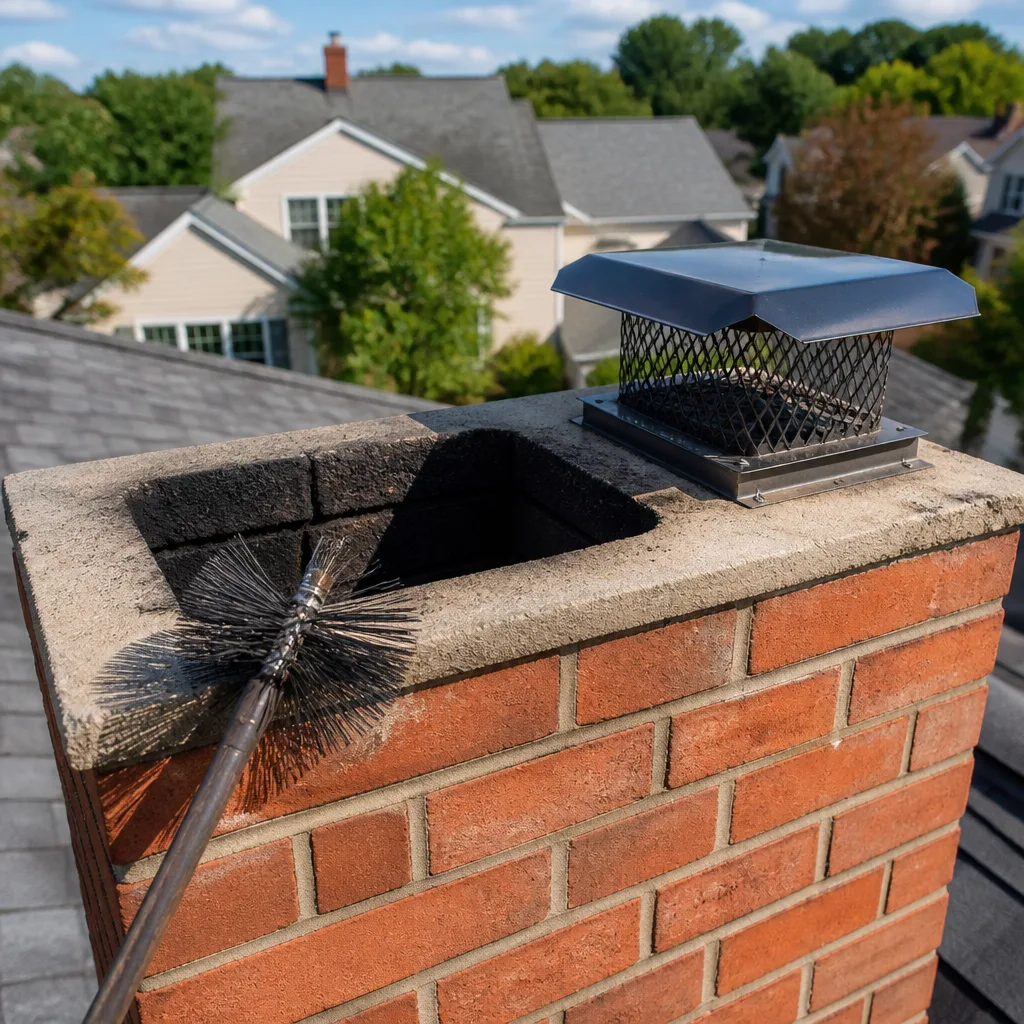
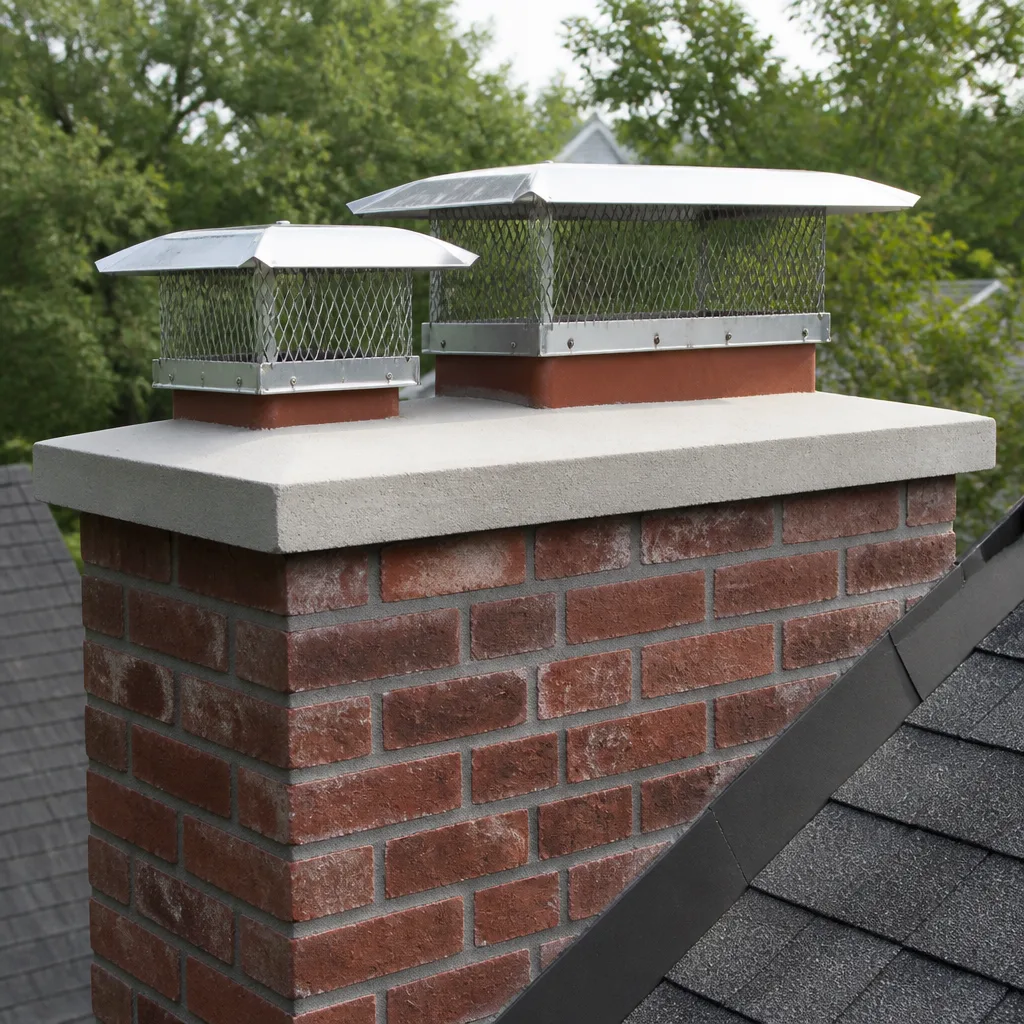
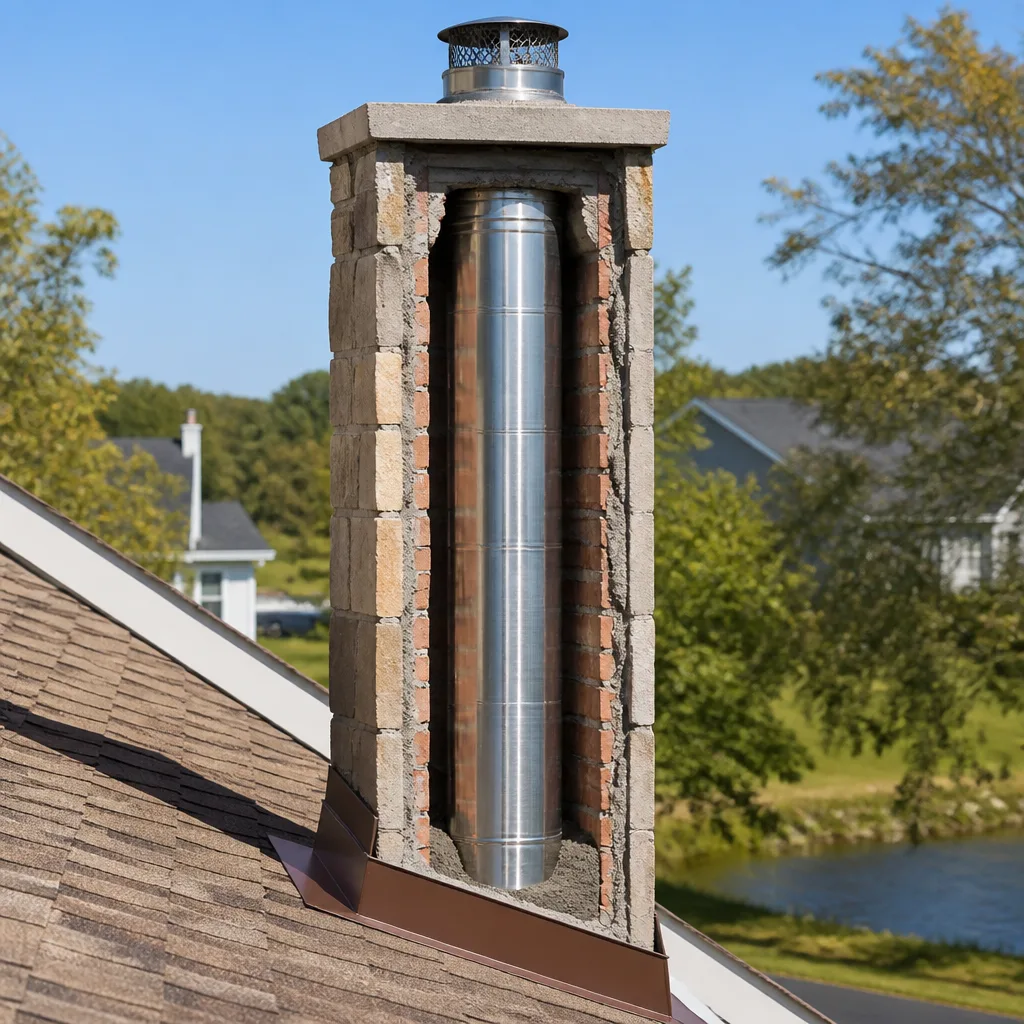
Level 1 sweep and inspection to the NFPA 211 annual standard - flue, crown, cap, and flashing checked and photographed
Chimney sweep logs do not sweep chimneys. They loosen some creosote - which then falls where a brush and vacuum still have to collect it.
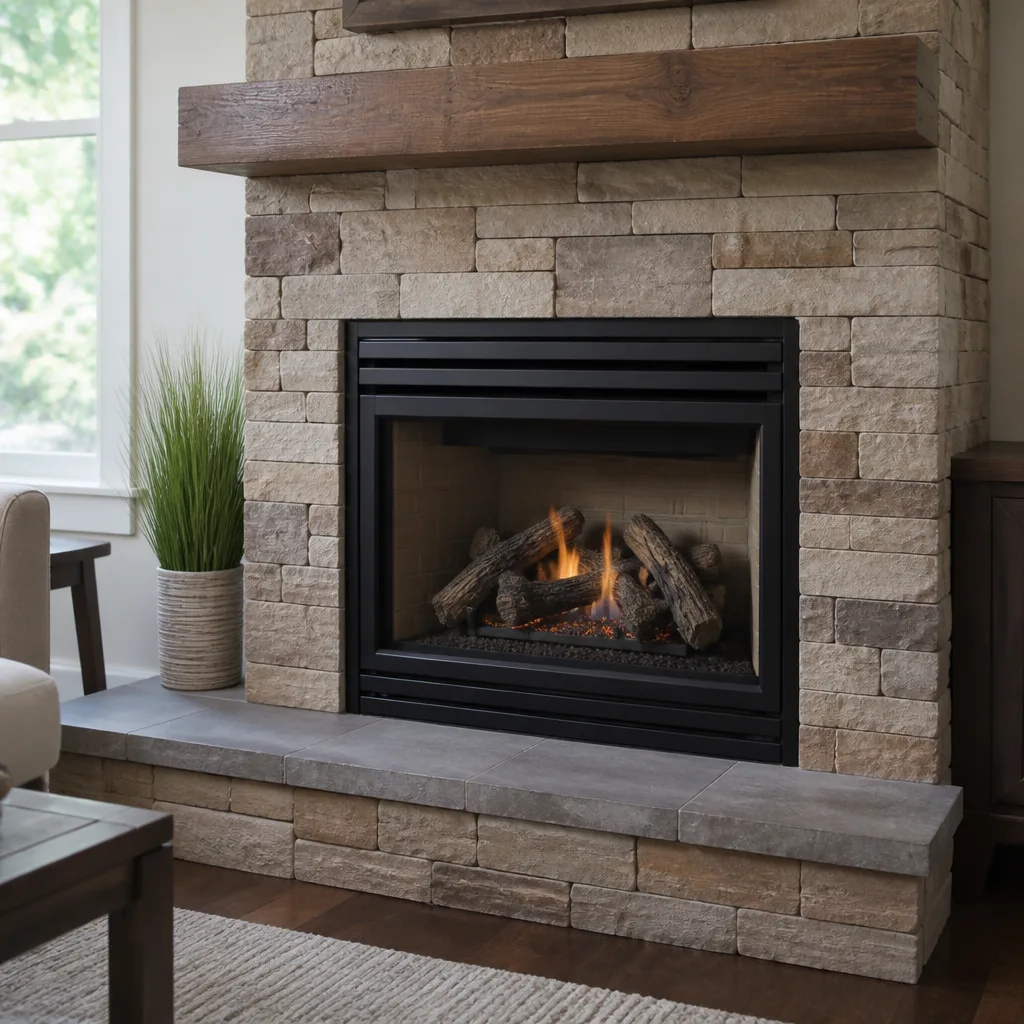
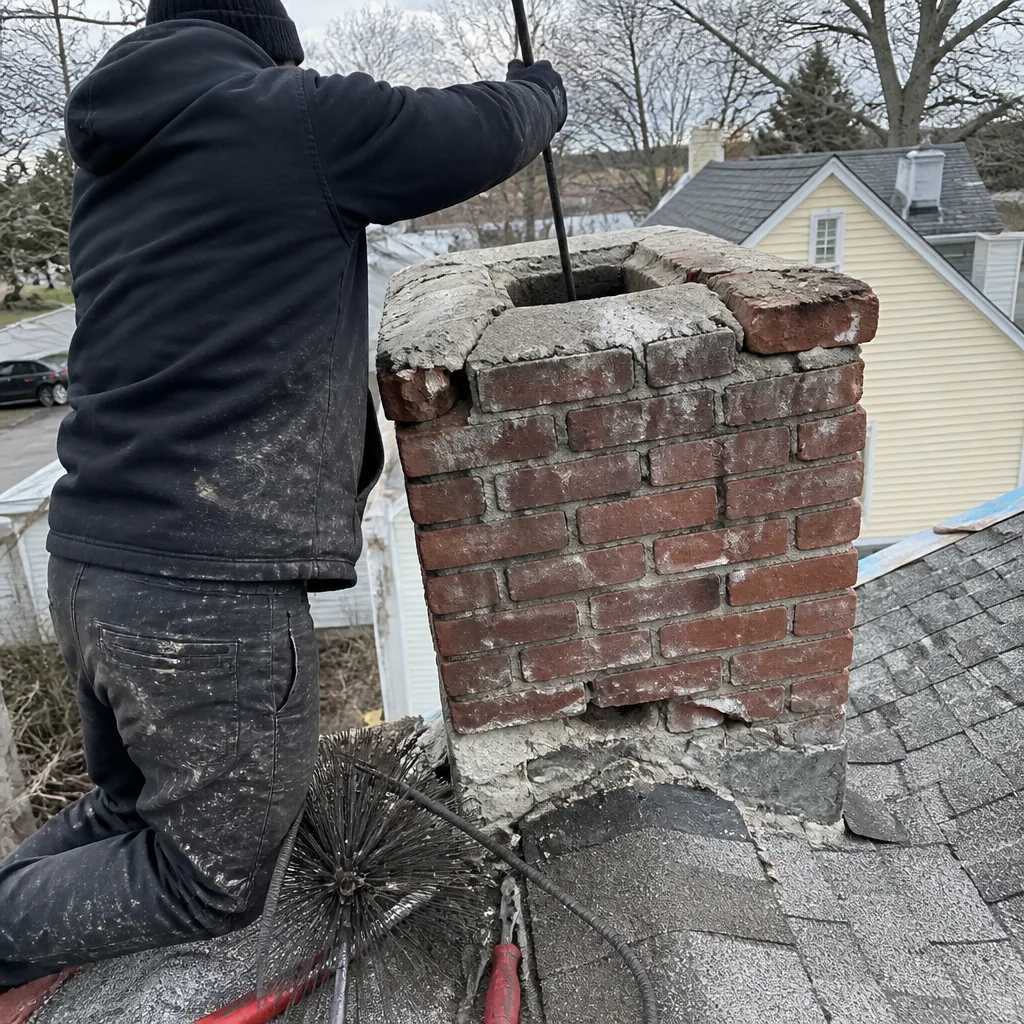 Before
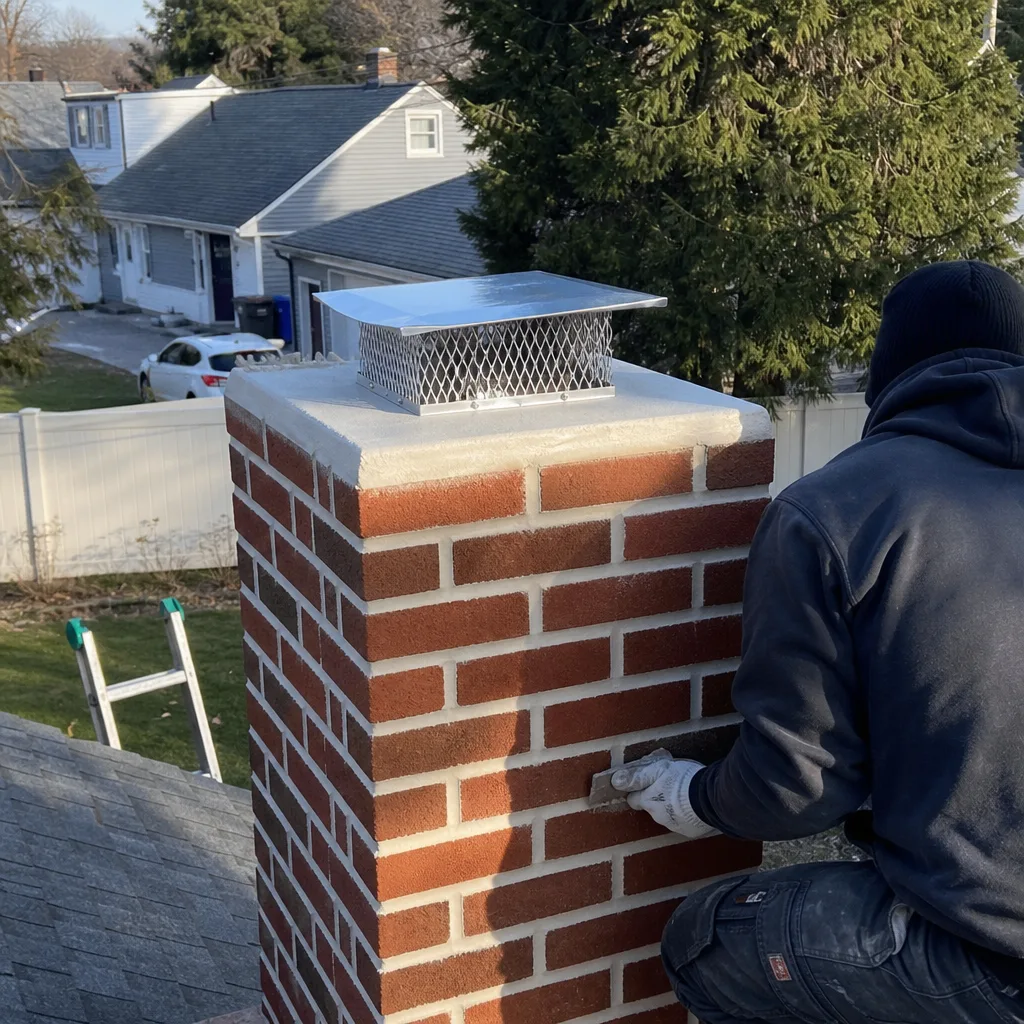 After
After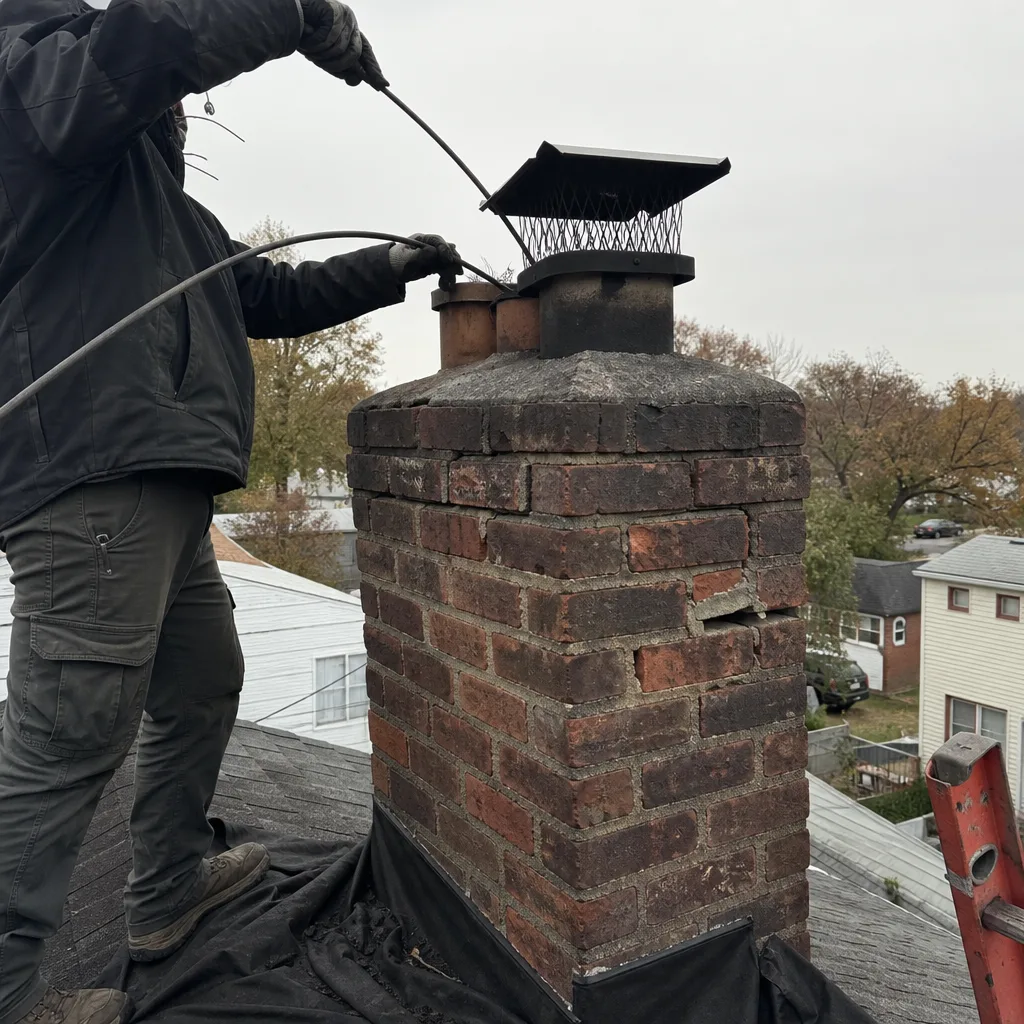 Before
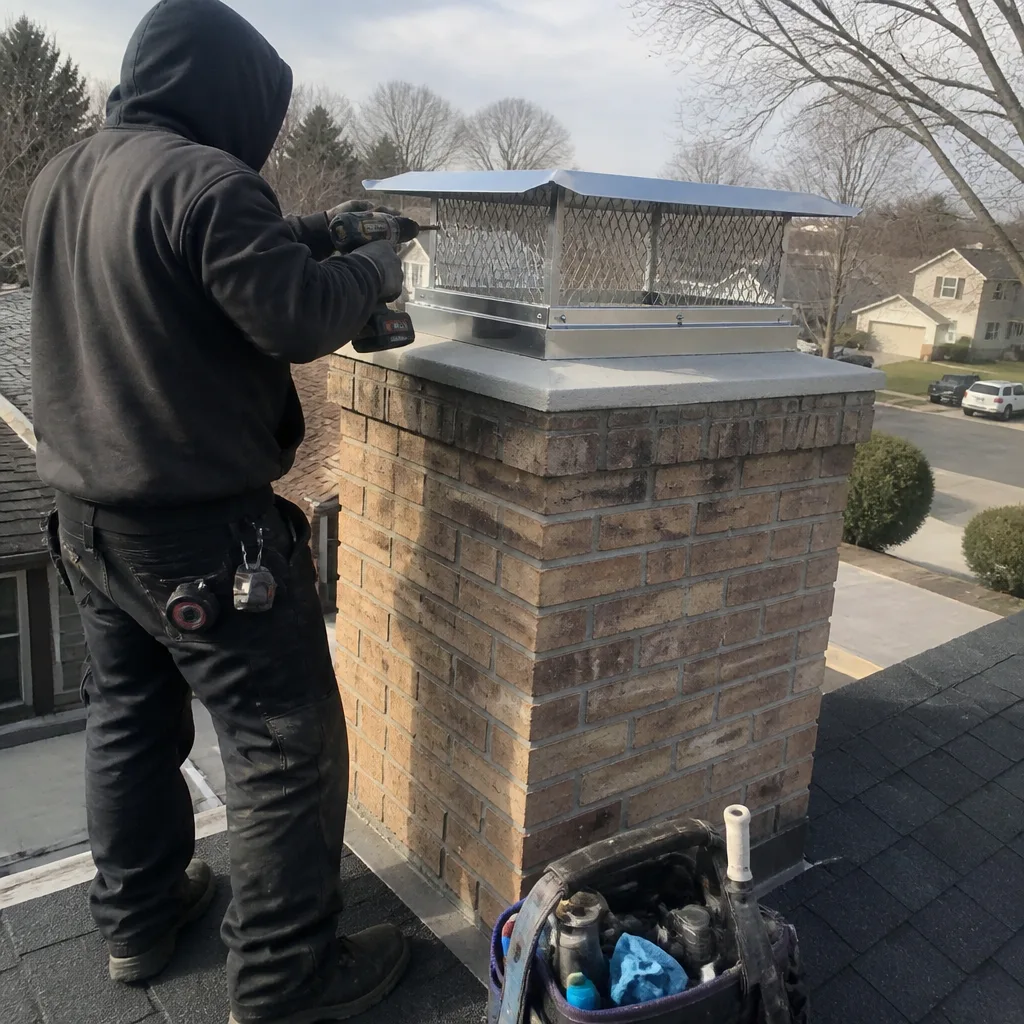 After
After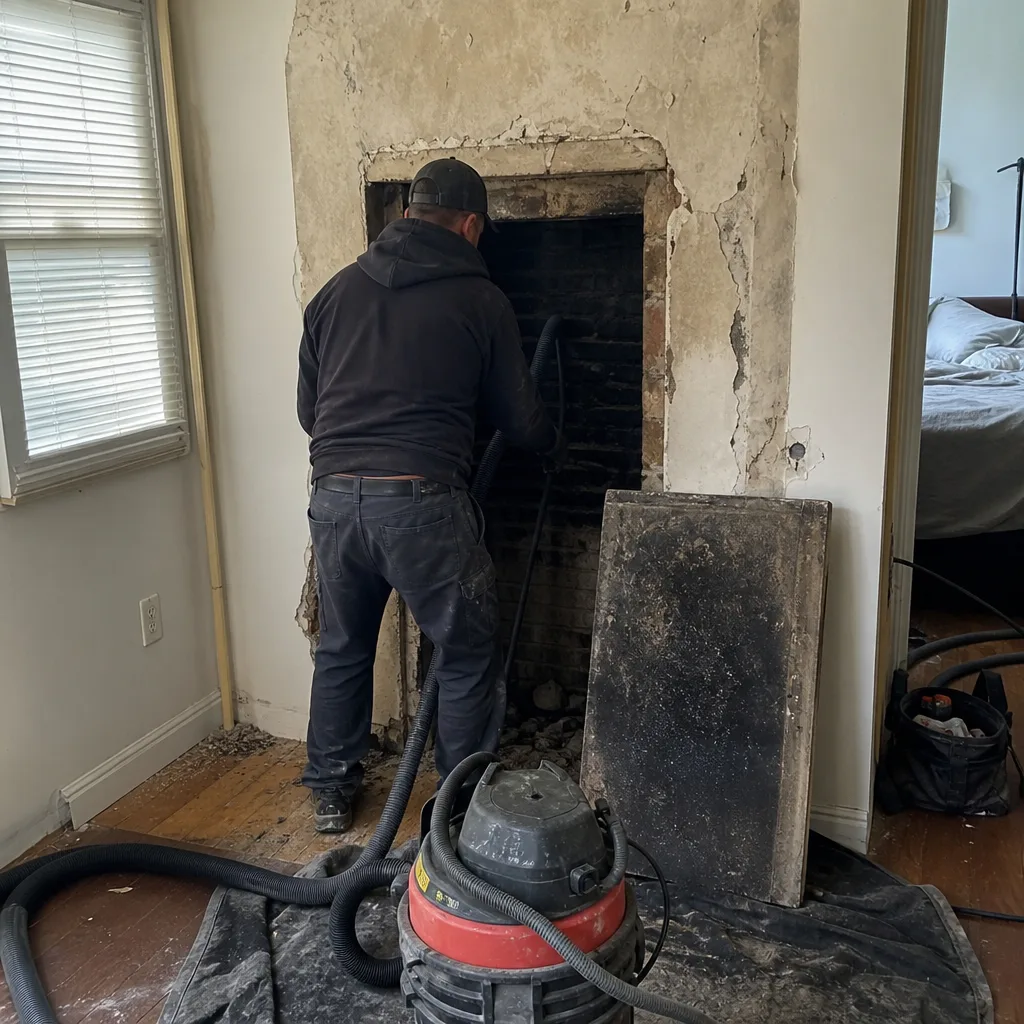 Before
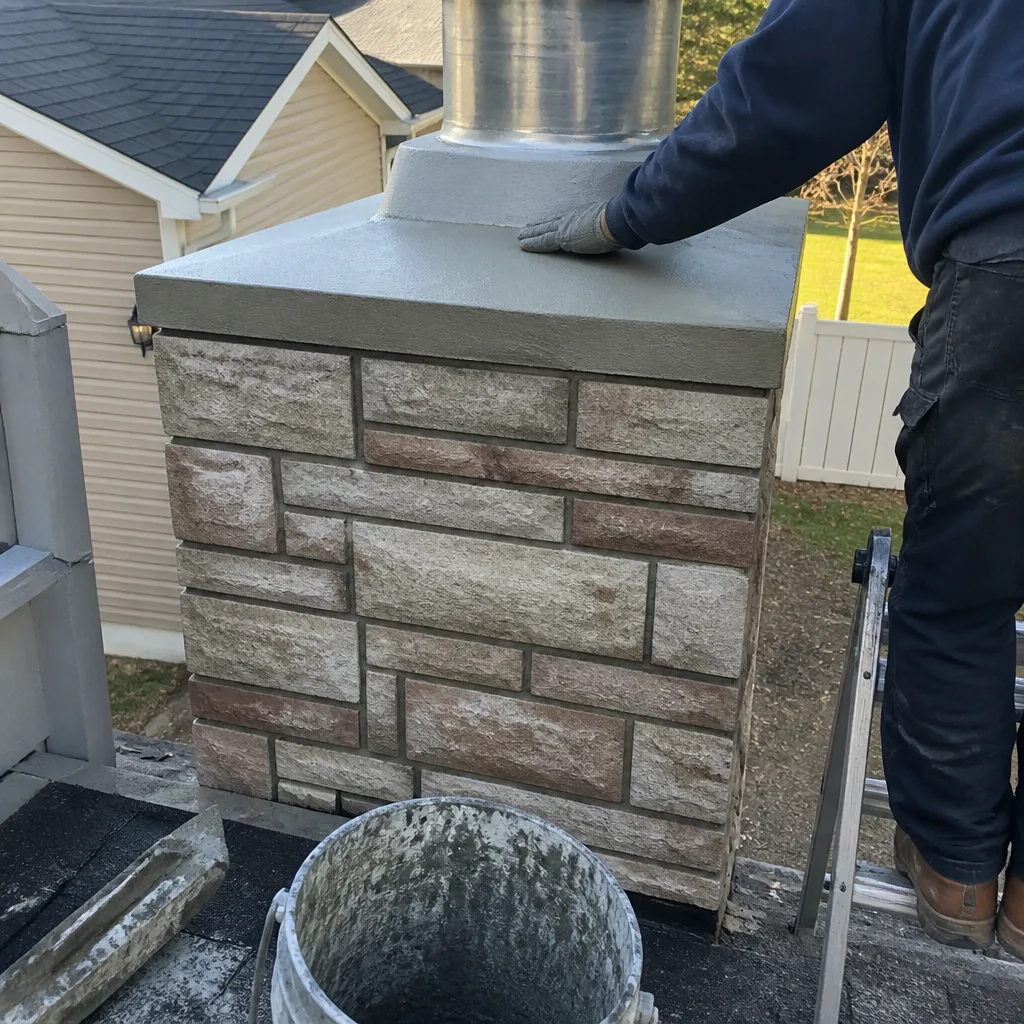 After
AfterSoot Removal in Hempstead, NY
Soot removal in Hempstead typically runs between $150 and $350, depending on how much has built up and how long it has been since the flue was last cleaned. For a full breakdown of current rates, see How Much Does Chimney Cleaning & Sweep Cost? (2026 Price Guide) - Hempstead, NY. Most jobs are done in a single visit, and the fireplace is ready to use the same day. If you want a straight number before anyone touches anything, call (516) 963-1068 – Wendell or someone on his crew will pick up and walk you through it.
Top Hat Chimney has been cleaning chimneys in Hempstead and the surrounding Nassau County communities since 1999. Soot removal is part of every standard Chimney Cleaning & Sweep in Hempstead we do, but it also comes up on its own – a homeowner notices a dark film on the firebox walls, smells something off when the furnace kicks on, or opens the damper and finds more black powder than they expected sitting on the smoke shelf. These are not emergencies, but they are not things you ignore either. Soot is fine carbon. It coats your firebox, collects on the damper plate, and settles into crevices in the flue tiles where, given time and moisture, it turns into something harder to deal with.
Wendell has been inside enough chimneys in Hempstead’s older neighborhoods – Baldwin Harbor, Uniondale, West Hempstead – to know that the houses built here in the 1950s and 1960s were fired hard every winter for decades. The soot in some of those fireboxes did not accumulate in one season. It built up over years of use, sometimes years of neglect, and the cleanup is different than a quick once-over on a newer insert.
When You Need Soot Removal
Sometimes it is obvious. Sometimes it is not. Here are the situations where a soot removal appointment in Hempstead makes sense:
- Black powder on the hearth or around the firebox opening. If soot is falling out of the firebox between fires, the smoke shelf is overloaded or the damper is not sealing cleanly. Either way, it does not get better on its own.
- A smoky or acrid smell that lingers after the fire is out. Hempstead homes tend to have older masonry fireplaces that draw differently in humid weather off the South Shore. Residual soot smell, especially in summer when the damper stays closed, usually means the firebox walls and smoke chamber need a good cleaning.
- Dark staining on the face of the firebox or the front of the fireplace. Staining that creeps past the firebox opening onto the stone or brick surround is a sign that combustion gases are not clearing cleanly – often because soot buildup has narrowed the throat of the flue.
- You have not used the fireplace in several years and want to start again. Soot left sitting in a cold, closed flue absorbs moisture. By the time you come back to it, what started as light deposit can be a damp, acidic paste that attacks the mortar joints from the inside. If the fireplace has been dormant since before the pandemic, have it cleaned before you light anything.
- You bought a home in Hempstead and do not know the service history. Real estate disclosures in Nassau County do not require chimney inspection records. Wendell sees this regularly during spring moves – new owners, no paperwork, mystery soot. A camera inspection plus cleaning gives you a clean starting point.
- After a chimney fire, even a small one. Soot that has been superheated changes character. It can bond to tile surfaces or flue liner sections in ways that standard brushing does not fully address. If you heard a rumble or saw sparks coming out of the cap, that warrants a proper post-fire evaluation, not just a sweep.
Our Soot Removal Process
We run every soot removal call in Hempstead the same way. No shortcuts because the house looks easier than the last one. No guessing about what is in the flue before we look. Here is what happens from the time we arrive:
- Drop cloths and prep before anything opens. The sweep who shows up at your door puts canvas drop cloths over the hearth and flooring, masks the firebox opening, and connects to a HEPA-rated vacuum before the damper moves. Soot is fine enough to drift through a room and settle on every surface if you open a dirty flue without containment. We have done this in enough Hempstead living rooms to know the drop cloth is not optional.
- Camera inspection from above. We run a camera down from the top of the flue before a single brush goes in. This tells us exactly where the soot is concentrated, whether there is moisture damage or cracked tile hiding under the deposits, and whether we are dealing with first-degree soot or something denser closer to the smoke shelf. You see what we see on a screen – no guessing, no surprises on the invoice.
- Top-down brush work on the flue. We use professional-grade brushes sized to your specific flue dimensions and work from the top down, so loosened material falls toward the firebox rather than back into the house. The vacuum runs the whole time. For stubborn deposits near the smoke shelf or smoke chamber, we may switch to a rotary system for better contact with the tile.
- Smoke shelf and smoke chamber cleaning. This is where soot accumulates fastest and where most budget sweeps skip. The smoke shelf – the horizontal ledge just above the damper – catches everything that falls back down from the flue. In Hempstead homes with older masonry throats, this shelf can hold several inches of packed soot if it has not been cleared in a few years. We clean it every time, not by request.
- Firebox and damper inspection and wipe-down. Once the heavy material is out, we wipe down the firebox walls, check the damper plate for warping or corrosion (common in saltier coastal air this close to the South Shore), and note any mortar erosion in the firebox joints. If we see something that warrants a follow-up repair, we will say so plainly – with a quote before we leave, not a vague suggestion to call back.
- Final camera pass and plain-English report. We do a second camera run to confirm the flue is clear and to document condition. You get a verbal walkthrough of what we found, the camera footage, and a written summary. If everything looks good, we say so. If there is a crack in the liner or a joint that needs pointing, we show you on the screen and give you a written estimate on the spot. The 90-Day Done Right Promise covers the cleaning work from that day forward – if something is off, one call brings us back.
Soot Removal Pricing in Hempstead
Soot removal in Hempstead runs between $150 and $350 for most residential jobs. Here is what drives the variation:
- Standard firebox and flue cleaning (light to moderate soot): $150 – $220. One or two cords of wood burned per season, cleaned annually or close to it. Most of Hempstead’s occasional-use fireplaces fall here.
- Heavier accumulation or multi-year buildup: $220 – $310. Flues that have not been cleaned in three or more years, or woodstoves and inserts that run most of the heating season. The smoke chamber and shelf often need extended work at this level.
- Smoke chamber restoration or dense deposit removal: $280 – $350 and up. Older masonry fireplaces with corbelled smoke chambers, significant soot glaze on unlined sections, or post-fire cleanup. Some of these require a HeatShield application or resurfacing after cleaning, which is quoted separately.
Every quote is upfront and delivered before work starts. The number you hear on the phone is the number on the invoice – we do not quote one price from the truck and another once the drop cloths are down. There is no trip charge for calls inside Nassau County, and if you are a senior or a veteran, 10% comes off every time, no paperwork required. If you have a competing written estimate, we will beat or match it and give you a free second opinion.
For any repair that comes out of the inspection at $200 or more, $40 comes off automatically. That is a standing offer, not a coupon.
Call (516) 963-1068 for a free estimate. We will ask a few straightforward questions about the fireplace and give you a real number – not a “starting at” figure that doubles when we get inside.
Why Hempstead Homes Accumulate Soot Faster Than You’d Expect
Hempstead sits close enough to the water that humidity is a real factor for chimney performance. On cold, damp mornings – the kind that come off the South Shore from October through March – wood fires burn less efficiently, especially in the first twenty minutes of a fire. Incomplete combustion means more fine soot and more unburned carbon particles heading up the flue before the fire gets hot enough to clear them cleanly.
Older homes in the Uniondale and West Hempstead sections were built with masonry fireplaces sized for coal or heavy hardwood use. A lot of those fireplaces are now being burned with softer wood or gas log sets, which changes the combustion chemistry and the type of residue left behind. Softwood soot tends to be lighter and travels higher in the flue before it cools and sticks. It also traps moisture differently than hardwood soot, which matters for the tile liner underneath.
None of this is a reason to stop using the fireplace. It is just a reason to have it cleaned on a regular schedule. Annual Sweep is the standard, and we hold to it – whether you burned twelve fires last winter or two.
Soot vs. Creosote: What Is the Difference?
This question comes up at almost every job in Hempstead where the homeowner has been reading about chimney safety online, so it is worth a clear answer.
Soot is the fine black powder produced by incomplete combustion. It is the first stage of carbon deposit in your flue, and it brushes out easily when it is caught early. First-degree creosote is essentially dense soot – dry, flaky, and still manageable with a quality brush.
Second-degree creosote is darker, tar-like, and sticks to tile surfaces. It takes more work to remove and sometimes requires chemical treatment before brushing.
Third-degree creosote is a hardened glaze. It bonds to the flue liner and does not respond to brushing at all – it has to be treated with a rotary chemical system or, in serious cases, addressed with a liner replacement. It is also the stage that is genuinely dangerous, because it ignites at relatively low temperatures and burns intensely.
The practical point: catch it at the soot stage and the cleaning is fast and inexpensive. Wait until it hardens and the job is longer, harder, and more costly. We see both ends of that spectrum regularly in Hempstead. We would rather book the easy job.
A word on safety: because chimney deposits at the second- and third-degree stage can ignite with serious force, this is work that belongs to a trained sweep, not a weekend project. A rotary cleaning system sends debris moving fast inside a confined flue, and if there are cracks in the liner – which are common in Hempstead’s older masonry chimneys – those cracks can allow heat and combustion gases to reach framing. Wendell and his crew are trained and equipped for this work. DIY brushing of a lightly sooted firebox is reasonable for some homeowners, but anything beyond that warrants a professional assessment first.
FAQs – Soot Removal in Hempstead
How often does soot need to be removed from a chimney in Hempstead?
Once a year is the right answer for most Hempstead homeowners who use their fireplace regularly through the heating season. The Chimney Safety Institute of America recommends annual cleaning and inspection regardless of use frequency, and we agree – chimneys develop cracks, mortar erosion, and moisture problems in the off-season even if no fires were lit. If you burn more than three cords of wood per year, twice a year is worth considering. Call (516) 963-1068 to talk through your specific situation before booking.
Can soot be removed without making a mess inside the house?
Yes – with proper containment it stays completely out of the living area. We use drop cloths on the floor and hearth, seal the firebox opening before anything is opened, and run a HEPA vacuum the entire time the flue is being brushed. Soot is fine enough to float, so the containment setup is not optional – it is the first thing that goes down at every job. By the time we pack up, you should not see a trace of black on anything in the room.
Is soot removal covered by homeowners insurance in New York?
Routine soot removal is considered maintenance and is not covered by homeowners insurance in New York. If a chimney fire caused the soot damage – or if a collapse or sudden event led to soot contamination inside the home – some policies will cover cleanup as part of the damage claim. We can document our findings with camera footage and a written report if you are working with an adjuster. Call us at (516) 963-1068 and we will walk you through what we can provide.
What happens if soot is left in the chimney too long?
Over time, soot absorbs moisture and starts converting to denser creosote deposits. That process is accelerated in Hempstead’s humid coastal climate, especially in chimneys that sit closed all summer. What starts as a $150 cleaning job can become a $400-plus creosote removal with chemical treatment if it is left two or three seasons. Beyond the cost, dense creosote is a fire risk – the NFPA lists chimney fires as a leading cause of home structure fires in the Northeast every year. The simpler answer: clean it on schedule and it stays simple.
Top Hat Chimney Has Worked These Streets Since 1999
Wendell Pike started Top Hat Chimney in Hempstead’s backyard more than two decades ago, long before the national franchise outfits started blanketing Nassau County with mailers promising $49 inspections. The difference is simple: Wendell’s name is on the truck, his license number is published, and when something goes wrong – which occasionally happens in any trade – you call the same number you called to book the job. No call center. No runaround. The 90-Day Done Right Promise is in writing on every invoice, and it means exactly what it says.
The crew that shows up at your door is background-checked, shows up in uniform, and gives you a real arrival window with a call if it slips. Upfront pricing before a single tool comes off the truck. No surprises at the end.
For a full overview of what we do beyond soot removal, visit our home page or take a look at everything included in a standard cleaning appointment.
Schedule Soot Removal in Hempstead Today
If you want to know what is in your flue before the next fire season and are ready to book Chimney Cleaning & Sweep services, call (516) 963-1068. A live person picks up around the clock – it may well be Wendell himself. We will ask a few questions, give you an honest range, and get you on the schedule. Free estimate, no trip charge inside Nassau County, and 10% off for seniors and veterans, every time.
Written by Wendell Pike, Owner at Top Hat Chimney, serving Hempstead since 1999.