
Last updated September 10, 2026
Level 1 sweep and inspection to the NFPA 211 annual standard - flue, crown, cap, and flashing checked and photographed
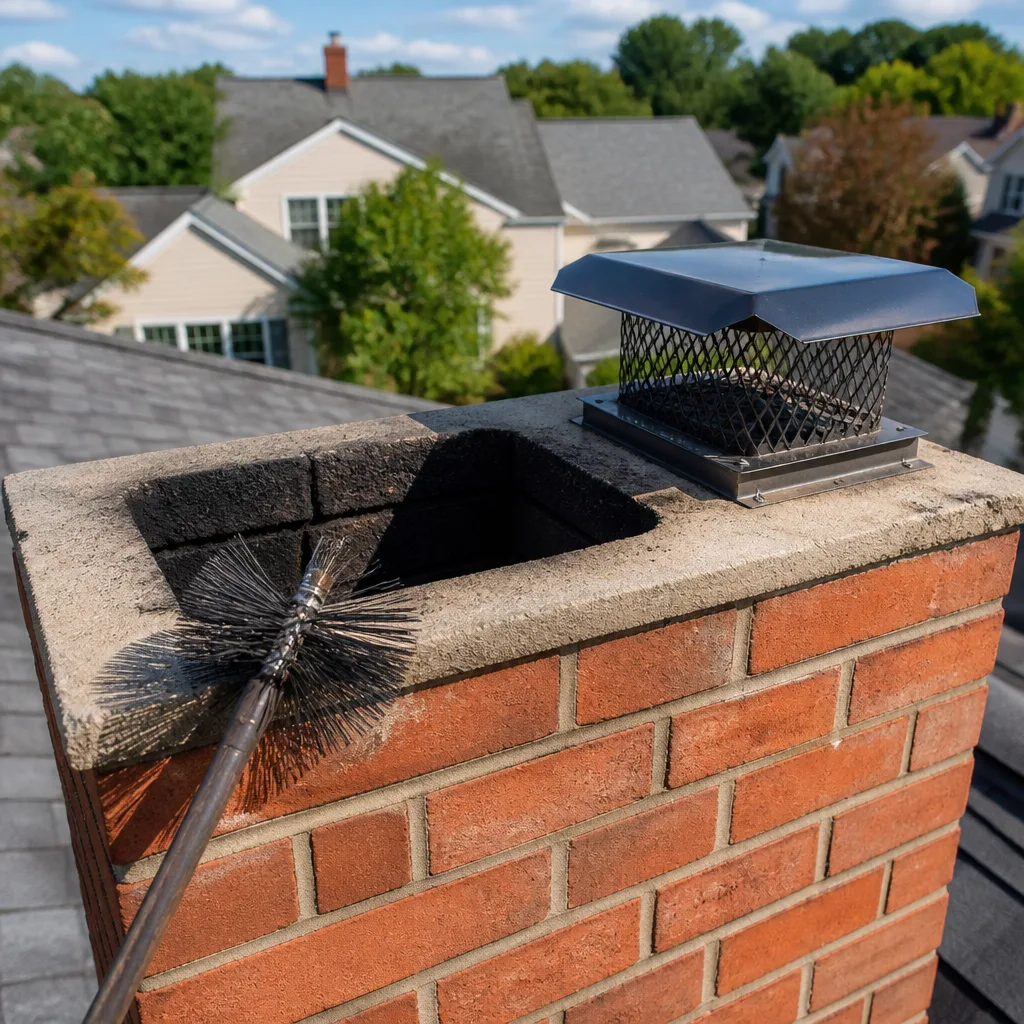
Chimney sweep logs do not sweep chimneys. They loosen some creosote - which then falls where a brush and vacuum still have to collect it.
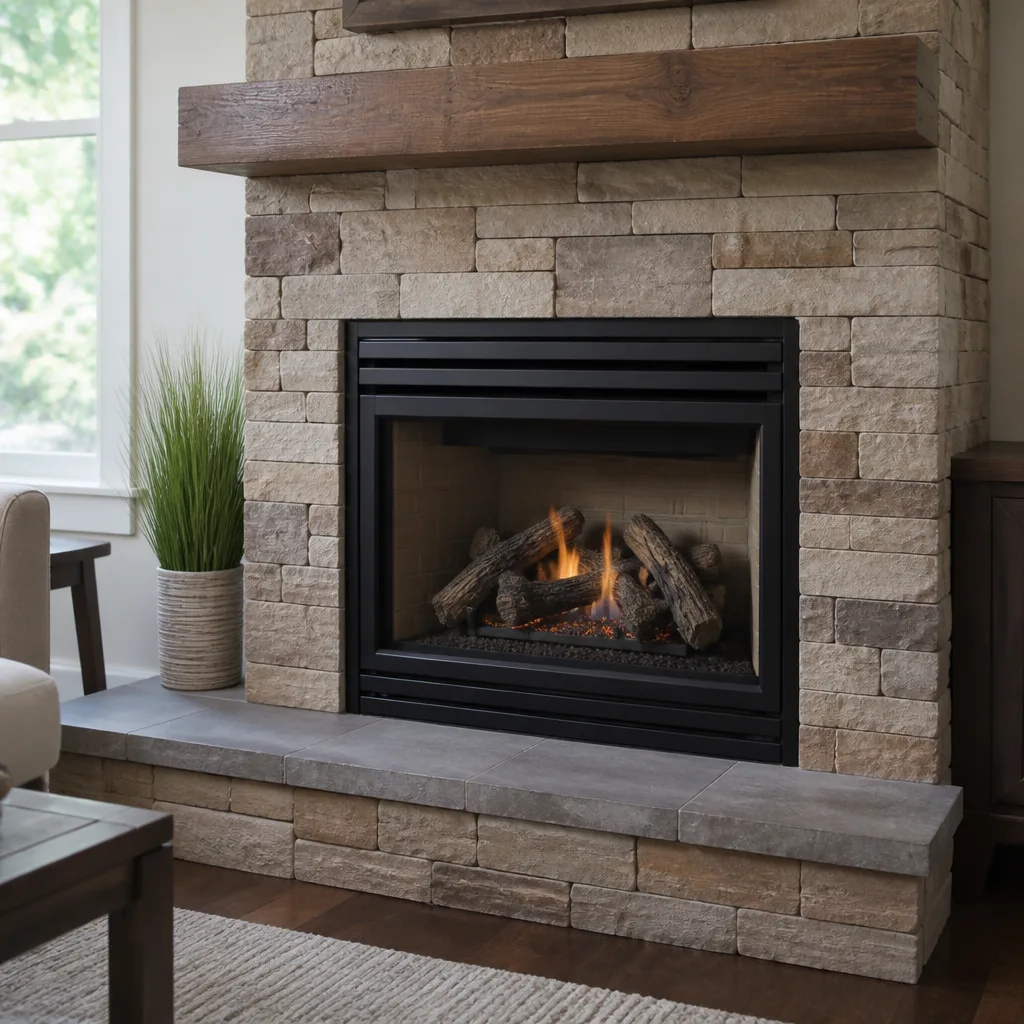
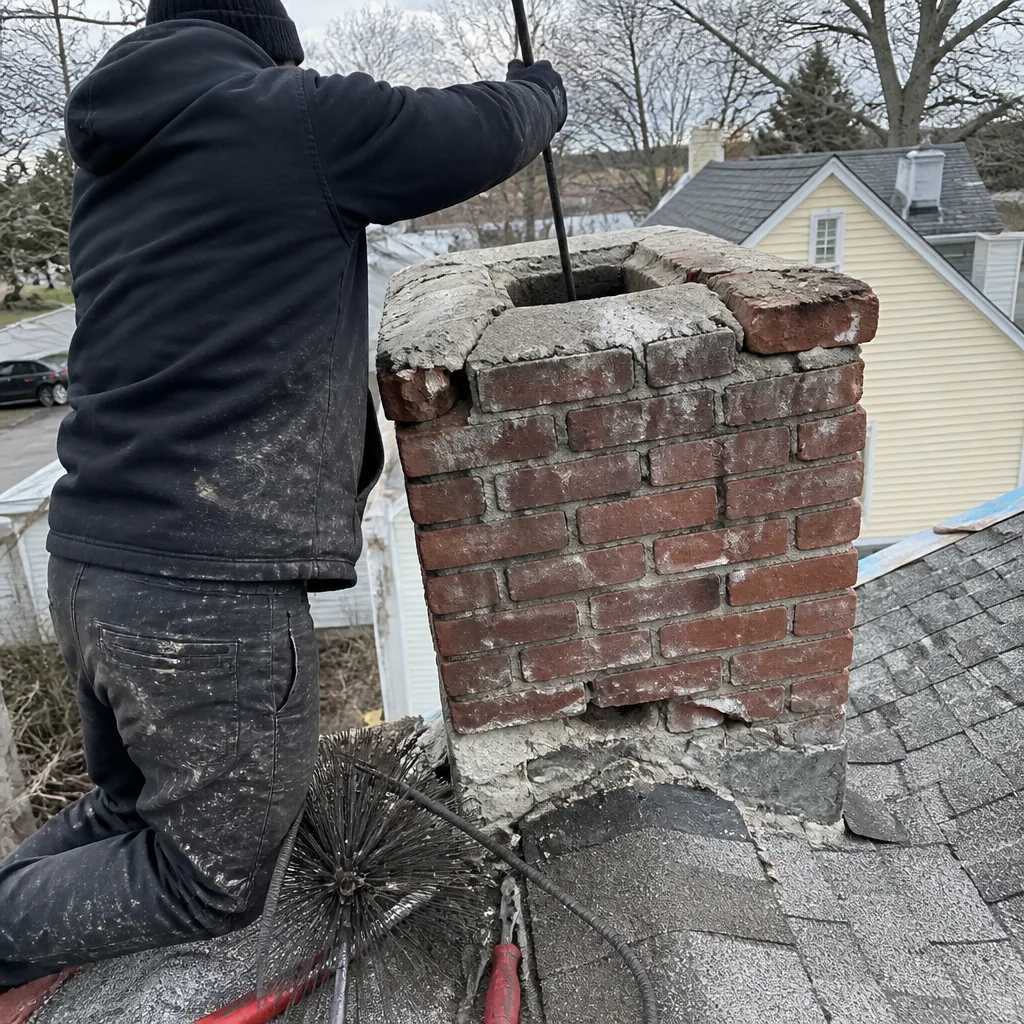 Before
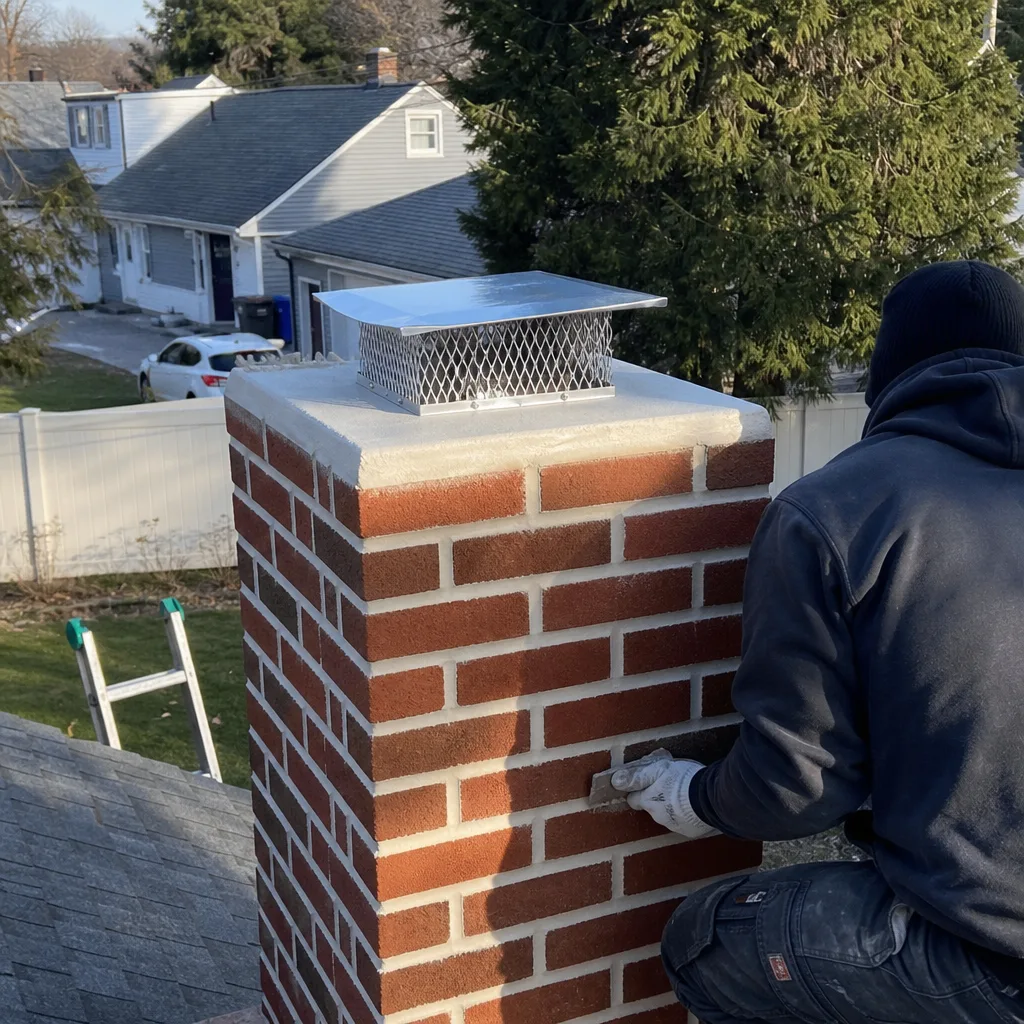 After
After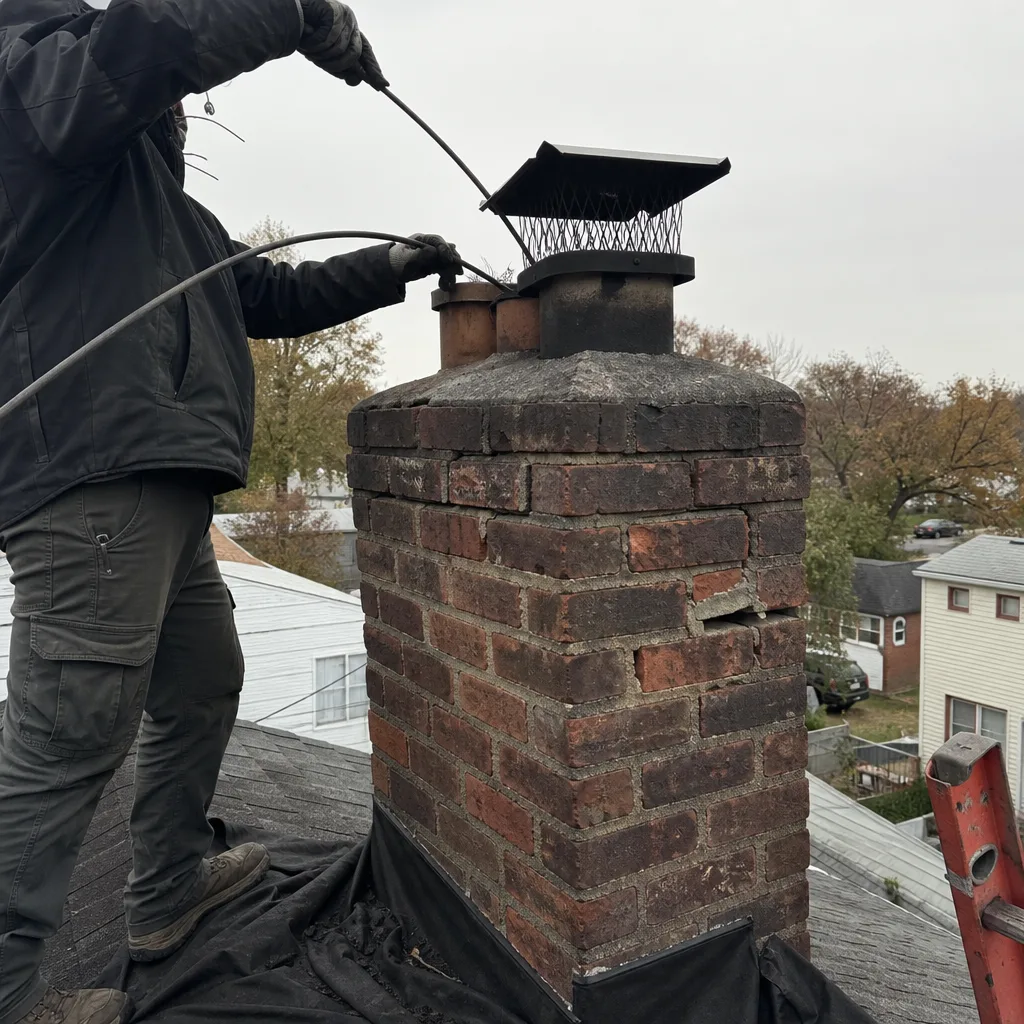 Before
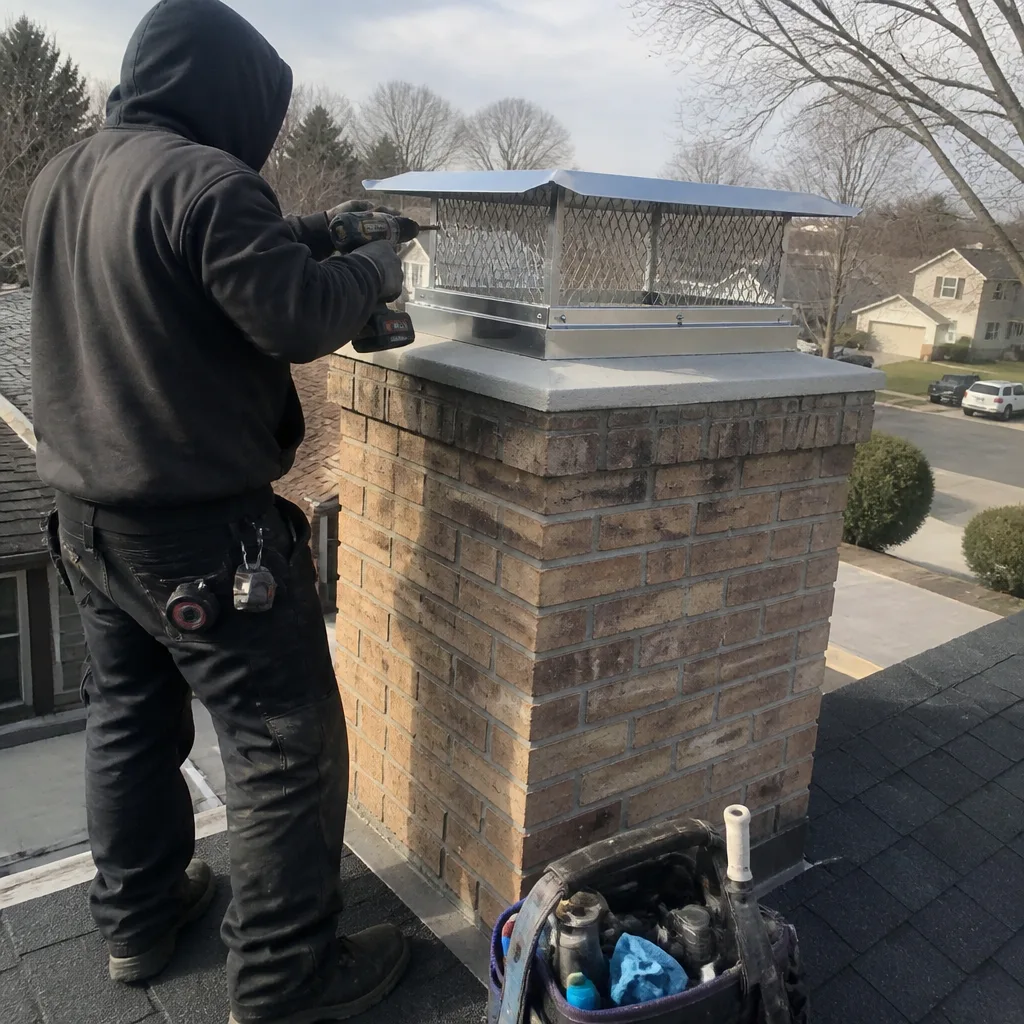 After
After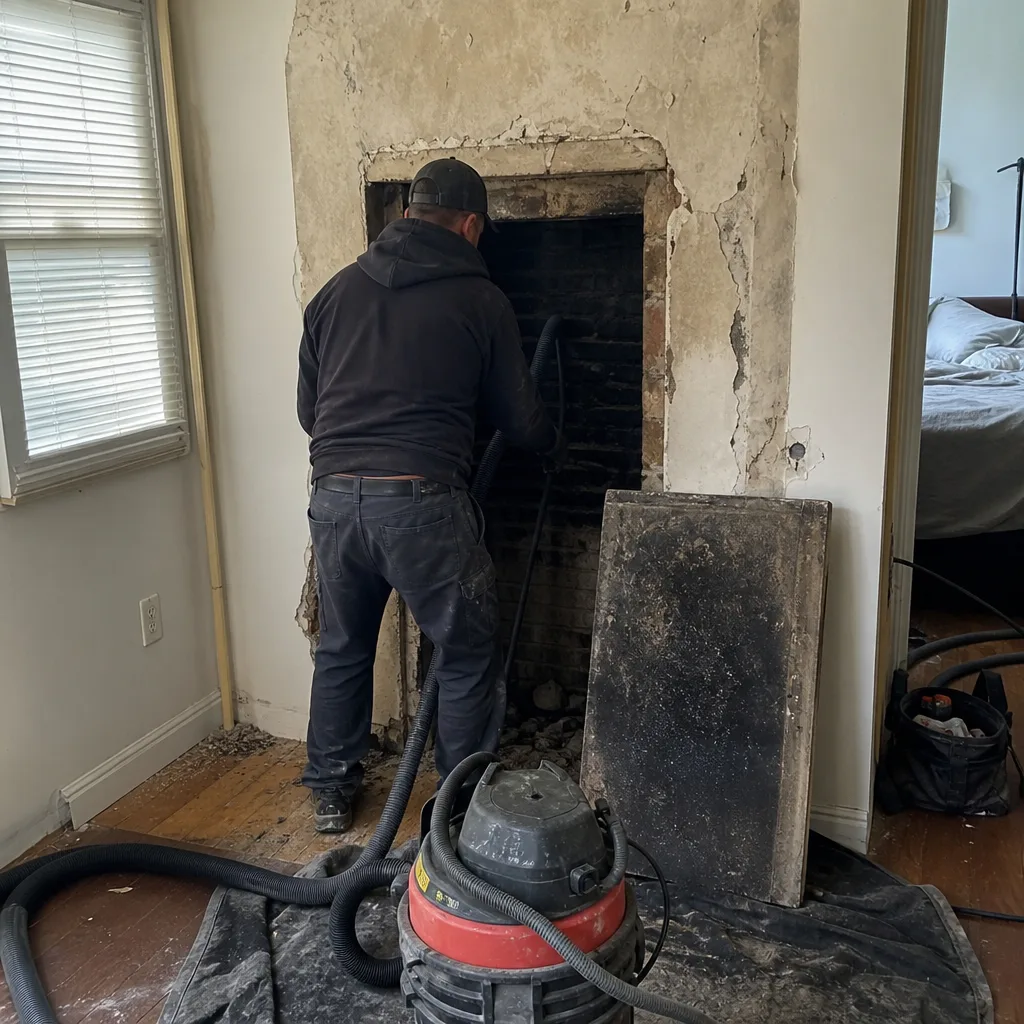 Before
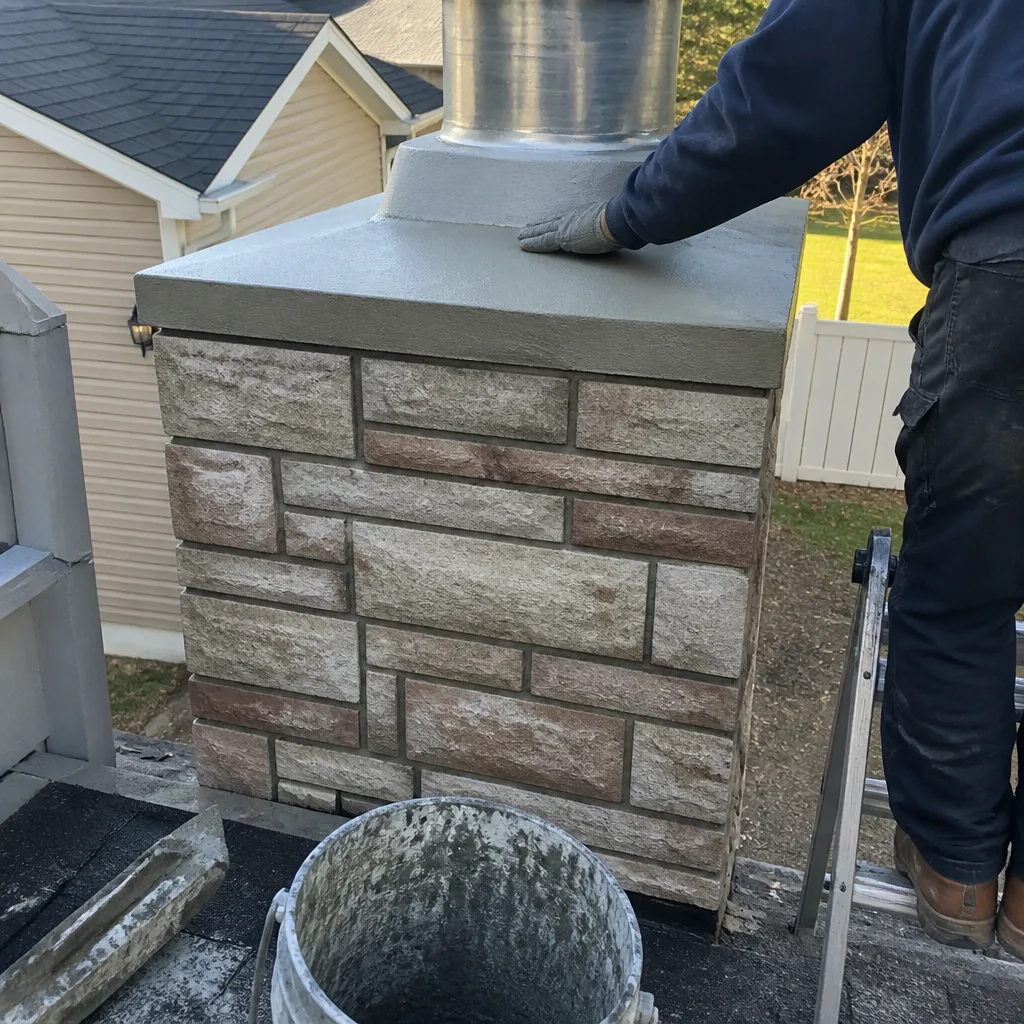 After
AfterChimney Cleaning & Sweep Maintenance Checklist for Hempstead Homeowners
Of the 17 chimney maintenance tasks that get repeated on every checklist you’ll find online, a working sweep would tell you that 6 of them don’t apply to most homes at all, and two others are only relevant if you burn wood, not gas. That’s the problem with generic advice: it wastes your Saturday and still misses the thing that actually matters for your house. This checklist is built for Hempstead specifically, where salt air, freeze-thaw cycles, and older housing stock create a particular set of chimney problems you won’t see in a national magazine. By the time you finish this guide, you’ll know exactly what to check yourself, what to leave alone, and what to tell the sweep when he or she shows up at your door. For our Chimney Cleaning & Sweep services, we’re here when you need a professional.
Quick Answer
A Hempstead homeowner should have a chimney inspected once a year, clean it when creosote buildup reaches 1/8 inch (usually every 40 to 60 wood fires), and handle three visual checks themselves between professional visits: looking for efflorescence on brick, rust staining at the crown, and any change in how the fireplace drafts. Not sure what to watch for? Read Chimney Cleaning Warning Signs: A Hempstead Homeowner’s Reference Guide. Gas fireplace owners can stretch a professional cleaning to every 18 to 24 months, but should still have the venting checked annually. Most of what appears on a 17-point maintenance checklist, like sealing the damper or repointing the entire chimney, is either unnecessary for the average home or a job for a pro, not a homeowner.
Table of Contents
- What Actually Matters on a Hempstead Chimney
- The Homeowner Eyes-Only Checklist: 5 Checks You Can Do in 10 Minutes
- Gas vs. Wood: Separate Checklists, Separate Risks
- How to Log Your Own Inspection Notes Between Sweeps
- The Three Things a Sweep Should Always Leave Behind
- Seasonal Timing: When Hempstead Homes Actually Need Attention
- What a Sweep Should Cost in Hempstead, and What Should Never Cost Extra
- Common Mistakes to Avoid
- When to Call a Professional
- Frequently Asked Questions
- The Bottom Line
What Actually Matters on a Hempstead Chimney
Your flue doesn’t care how the fire looks. It cares how it breathes. That single sentence explains why most maintenance checklists miss the point. A chimney has one job: moving combustion gases from your firebox to the outside air without letting those gases into your living room or setting your house on fire along the way. Everything else is cosmetic.
In Hempstead, three specific conditions shape how your chimney performs. First, we’re on Long Island, so the air carries salt. Salt accelerates the deterioration of mortar joints and brick faces in ways inland chimneys never see. Second, we get real freeze-thaw cycles every winter. Water gets into tiny cracks, freezes, expands, and pries those cracks wider. After a decade or two, that’s how you get spalling brick faces and crumbling crown edges. Third, a large portion of Hempstead’s housing stock was built between 1920 and 1965, which means many chimneys are unlined or have original clay liners that are now cracked or missing sections entirely.
So the real question for a Hempstead homeowner isn’t “which of the 17 standard maintenance tasks should I do?” It’s “what condition is my chimney in right now, and what’s the cheapest way to keep it that way?” That’s the approach this checklist takes. If you want a deeper look at what a full professional cleaning involves, see our guide to chimney cleaning and sweeping in Hempstead.
The Homeowner Eyes-Only Checklist: 5 Checks You Can Do in 10 Minutes
You don’t need a ladder for these. In fact, stay off the roof entirely. These five checks are done from the ground or from inside your house, and they’ll tell you whether you need a professional at all this season.
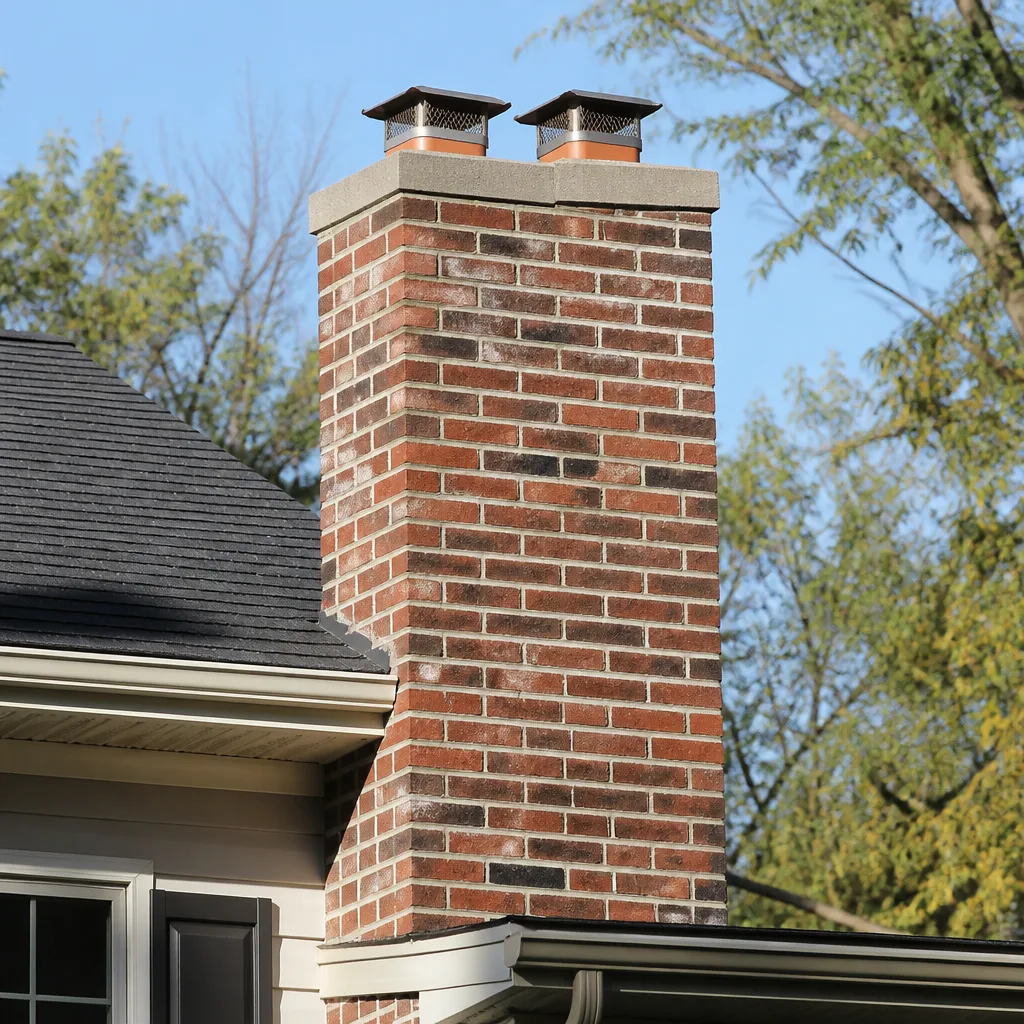
- Look at the brick faces from the yard. Walk to the street or the back corner of your lot and look at the chimney as a whole. What you’re looking for is white, chalky staining on the brick (efflorescence) or brick faces that are flaking off in thin layers (spalling). In Hempstead, both are almost always salt and moisture driven. A little efflorescence is cosmetic. Flaking brick is structural and means water is getting behind the face.
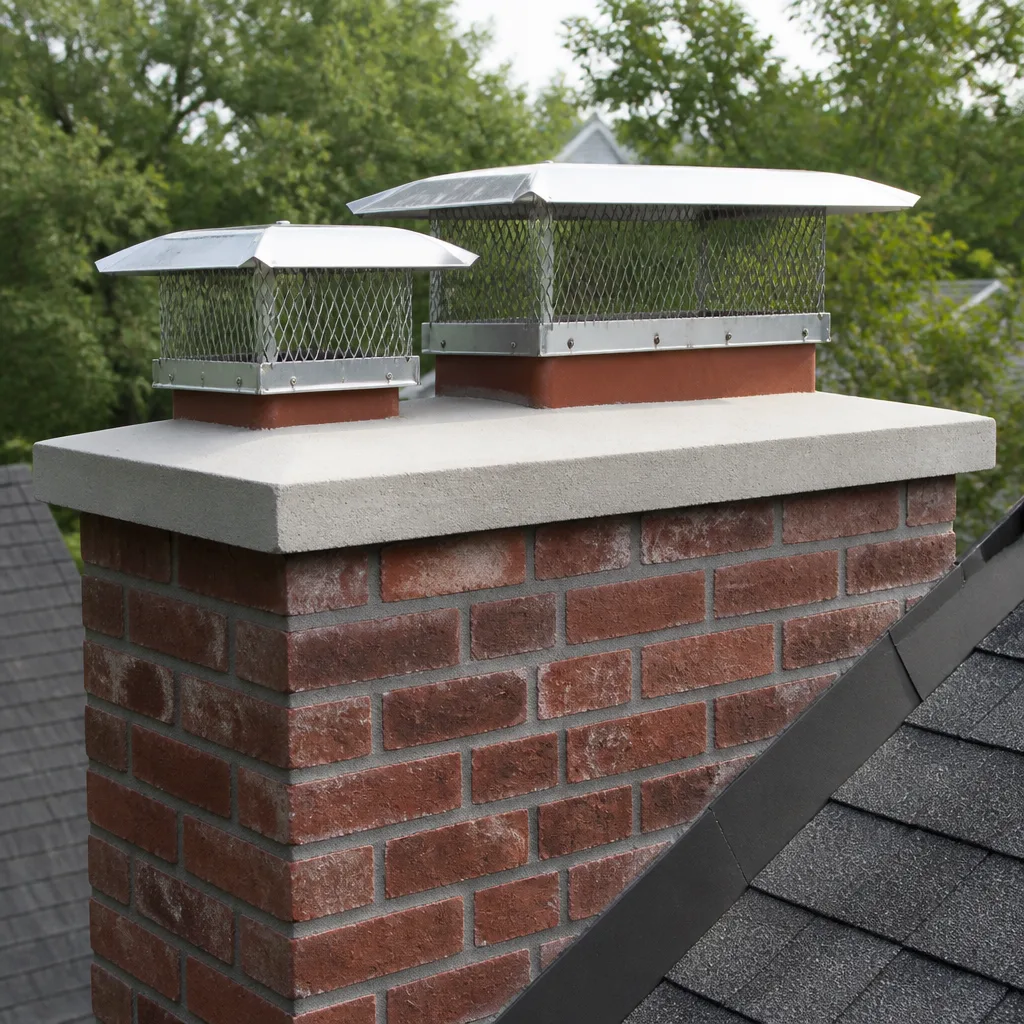
- Look at the crown from the ground with binoculars. The crown is the concrete or mortar cap at the very top. You’re looking for cracks, rust stains running down from the crown edge, or pieces that look like they’ve chipped away. Rust stains usually mean the metal flashing underneath is corroding, and that means water is getting where it shouldn’t.
- Open the damper and look up with a flashlight. From inside your fireplace, open the damper fully and shine a bright flashlight up the flue. If you see shiny, tar-like black buildup on the flue walls, that’s creosote, and it’s the primary thing a sweep removes. If you see thick, dark glazing that looks like melted plastic, that’s third-degree creosote, and it needs mechanical removal by a professional.
- Check the firebox floor and walls. Look for cracks in the firebrick, gaps between the firebox floor and the wall, or a layer of debris you can’t identify. Small hairline cracks are normal. Gaps wider than a quarter inch deserve a phone call.
- Stand outside while a fire is burning. On a day when you’re burning wood, step outside and watch the smoke coming from the chimney top. It should be moving up and away cleanly. If it hangs around the chimney, drifts back toward the house, or you smell smoke indoors, that’s a draft problem, and it won’t fix itself.
If you find anything on this list that worries you, write it down with the date and what you saw. That note becomes the starting point for a chimney repair conversation in Hempstead rather than a vague feeling that something looked off last winter.
Gas vs. Wood: Separate Checklists, Separate Risks
Most of the standard chimney maintenance advice online assumes you burn wood. But a large share of Hempstead homes have either switched to gas fireplaces or had gas inserts installed years ago. The maintenance needs are different, and treating a gas fireplace like a wood burner leads to skipped inspections and a false sense of safety.
If You Burn Wood
Your primary enemy is creosote, and it forms on a schedule tied to how you burn, not to the calendar. A well-run wood fire with dry hardwood creates first-degree creosote, which a brush removes easily. A smoldering fire with unseasoned wood or a restricted air supply creates third-degree creosote, which is a glaze that requires rotary tools or chemical treatment to remove. Between sweeps, you’re checking for creosote buildup, damp wood, and draft changes. If you haven’t read up on what a proper sweeping actually removes, the Top Hat Chimney home page explains how we approach it.
If You Have a Gas Fireplace or Insert
Gas fireplaces don’t produce creosote, which means half the wood-burning checklist doesn’t apply. But what most people misunderstand is that gas appliances still produce acidic exhaust that corrodes the liner over time, and a blocked or leaking vent on a gas appliance sends carbon monoxide into your house, not smoke. Your checklist is: annual vent inspection, annual check of the gas logs and burner for rust or misalignment, and replacement of the batteries in the carbon monoxide detector. If your gas logs haven’t been serviced in years, our guide to fireplace services in Hempstead walks through what a proper gas fireplace service involves.
Once a year, burn or no burn. Chimneys break in the off-season too. That’s the rule, and it applies whether the thing producing heat is wood or gas. The failure modes are different, but the inspection interval is the same.
How to Log Your Own Basic Inspection Notes Between Sweeps
A receipt from the last cleaning tells you what you paid. It doesn’t tell you whether the crack in the firebox wall has gotten wider since last March. Keeping a simple log turns six years of receipts into a history, and a history is what lets a sweep spot a slow-developing problem before it becomes an emergency.
You don’t need a template or an app. A sheet of paper taped inside the cabinet door next to the fireplace, or a note on your phone, is fine. What gets written down matters more than how it’s stored.
What to Record
- Date of each check. Once a season is enough for your own notes.
- What you saw. One sentence is enough: “White staining on east brick face, roughly the size of a dinner plate.” “Smelled smoke in living room during last fire.” “Damper sticking halfway open.”
- What you did about it. “Called sweep, scheduled cleaning.” Or “Left it, will check again in fall.”
- Date of last professional cleaning and what the sweep reported. This is the one most people skip. The sweep’s notes matter more than the receipt.
The value of this log shows up in two ways. First, when you call for a cleaning, you can tell the person on the phone something real: “The firebox crack we saw last year seems wider this spring.” That’s a different call than “I think my chimney might need something.” Second, if you ever sell the house, a maintenance log is evidence of care that a buyer’s inspector will notice. In Hempstead, where many homes are older, that matters.
The Three Things a Sweep Should Always Leave Behind
After a professional chimney cleaning, you should have three things. If you don’t, the job wasn’t done the way it should have been.
- A clean firebox and hearth. This sounds obvious, but a surprising number of sweeps leave soot dust spread across the living room floor and the firebox looking worse than when they arrived. The sweep who shows up at your door should lay down drop cloths, run a HEPA vacuum throughout the process, and leave the area around the fireplace at least as clean as they found it.
- A written condition report. Not a verbal summary. Something you can read later. It should state what was found in the flue, what was removed, any cracks or damage seen from inside the flue with the camera or light, and what the sweep recommends with a rough priority level. If the sweep finds a cracked liner tile or a failing crown, that needs to be in writing.
- Camera footage or photos of the flue interior. This is the one that separates a modern professional operation from a guy with a brush. We run a camera down the flue on every job and show the homeowner what we saw. The camera footage and a plain-English verdict - every time, no exceptions. If a sweep tells you the liner is shot and needs a six-thousand-dollar rebuild but can’t show you a photo, get a second opinion. We offer a free second opinion on any written estimate, and we mean it.
The reasoning here is simple. A chimney is a cavity you can’t easily see inside. The television shows you what a sweep removes, but the work that matters happens in the last ten minutes of the job, when you’re shown what’s still there and what it means. Don’t accept less.
Seasonal Timing: When Hempstead Homes Actually Need Attention
The standard advice is “clean your chimney every fall.” That’s half right and half wasteful. Here’s what actually plays out in Hempstead, season by season.
Spring. The burning season ends, and the creosote you accumulated all winter sits in the flue getting tacky and attracting moisture. Spring is the cheapest time to have a chimney cleaned in Hempstead because the sweeps aren’t busy. It’s also the season when water damage from winter freeze-thaw cycles becomes visible: efflorescence on brick, new cracks in the crown, rust stains from flashing. Schedule your annual cleaning now, and you’ll catch the winter’s damage while it’s still small.
Summer. This is when chimney fires don’t happen, and when most people forget the chimney exists. That’s fine, with one exception: heavy summer thunderstorms can drive water into a chimney that has an uncapped flue or a failing crown. If you hear water dripping in the chimney during a summer storm, that’s not a fall problem. That’s a call-now problem.
Fall. The rush begins, and the phone rings off the hook. If you clean in spring, you’re ready to burn the first cold day. If you wait until fall, expect a wait, and expect to pay top dollar. Fall is also when you should do the five eyes-only checks from the section above, specifically the one about looking at the chimney from the yard after a good rain.
Winter. The worst time to discover you need a cleaning or a repair. But it’s also the season when draft problems show up most clearly, because that’s when the temperature difference between inside and outside is greatest. If a fire won’t draw in January, it’s not because the chimney is cold. It’s because something is blocking or restricting it, and you should call before you burn more.
What a Sweep Should Cost in Hempstead, and What Should Never Cost Extra
Let’s talk real numbers, because “it depends” is what you hear from an outfit that wants to size you up before quoting. Here’s what the Hempstead market actually looks like.
- Standard chimney cleaning and inspection: $175 to $300 for a typical single-flue, single-story chimney. Two-story homes and steep roofs add $35 to $75.
- Cleaning plus a video camera inspection: $250 to $400. This is the level of service you want the first time you work with a new sweep, so you have baseline footage of the flue.
- Cap replacement or installation: $150 to $450 depending on the cap size and material. A cap is the single cheapest insurance policy against water damage, animal entry, and downdrafts.
- Crown repair: $500 to $1,200. Crowns fail slowly, and catching them before they break apart saves you from a much more expensive chimney-top rebuild later.
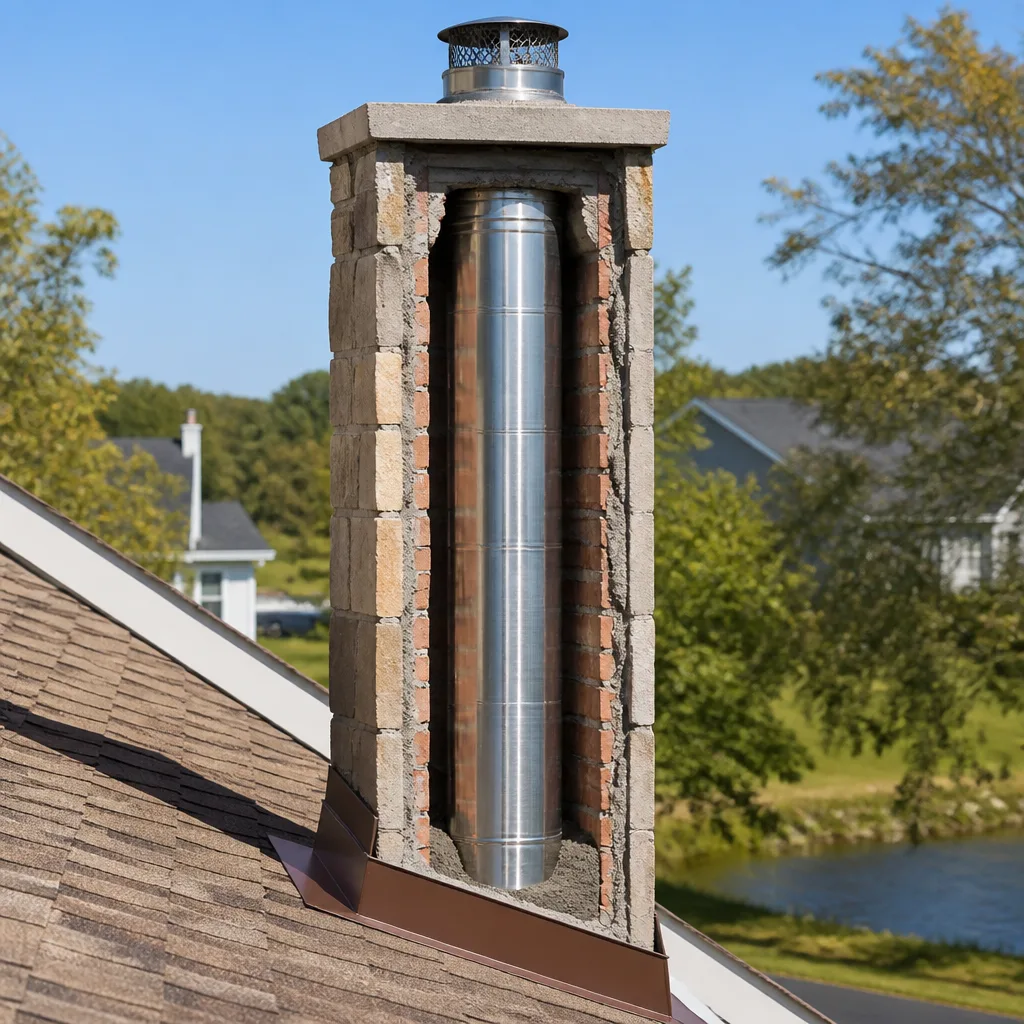
- Liner installation: $2,500 to $6,000 depending on the liner type, the number of flues, and whether the old liner has collapsed. This is the biggest-ticket item in the chimney trade, and it’s the one where Hempstead homeowners get the most dishonest advice, which is why the camera evidence matters.
Here’s the part that should never cost extra in Hempstead. If a chimney sweep quotes you a low number over the phone and then finds reasons to add fees after arriving, that’s a red flag. No-hassle upfront pricing means the number you hear on the phone is the number on the invoice, period. The job is scoped before a tool comes off the truck. If someone tries to upsell you a liner replacement they can’t show you on a camera, thank them and get a second opinion. That’s exactly the circumstance our free second-opinion offer was built for.
If you’re doing repair work over $200, remember that $40 discount. And if you’re a senior or veteran in Hempstead, the 10% discount applies every day, no coupon required. Ask anyone on your street who’s used us. They’ll tell you the same thing.
Common Mistakes to Avoid
- Skipping the annual inspection because you didn’t burn much last year. A chimney that sits unused all winter is still exposed to rain, snow, and freeze-thaw cycles. We’ve pulled bird nests and squirrel debris out of flues that hadn’t seen a fire in years.
- Burning unseasoned wood and wondering why the flue glazes over. Wet wood burns cool and smoldering, which produces third-degree creosote faster than anything else. If you’re in Hempstead and need a wood supplier, ask for kiln-dried hardwood and dry it yourself for one more season before burning.
- Sealing the chimney top with hardware-store caulk. Caulk fails at chimney-top temperatures within a season. If the crown is cracked, it needs proper repair. Caulk just hides the damage for a few months and makes the eventual repair more expensive.
- Ignoring a small draft change because “it’s always been like that.” Draft changes are often the first signal of a blocked flue, a failing liner, or a cap that’s shifted. The flue is a system, and systems don’t change behavior for no reason.
- Using a fireplace without a carbon monoxide detector in the house. This is the one item on this list that can kill you. If your Hempstead home has any fuel-burning appliance, a working CO detector is not optional. Gas fireplaces especially, because CO is odorless and invisible.
- Trusting a phone quote from a national outfit and not reading the fine print. We hear this story from Hempstead homeowners constantly: the phone price was $89, the door price was $600, and the actual work was never done. If you can’t verify a local address and license number, don’t book the job.
When to Call a Professional
Here’s the honest version of this section, because most guides use it to scare you into a phone call. There are times a chimney needs a pro, and there are times it can wait. It needs a pro when you see third-degree creosote glazing in the flue, when the crown is cracked or spalling, when brick faces are flaking from salt and moisture damage, when the fire won’t draw and you’ve ruled out a closed damper, and when you see rust staining running down from the crown or flashing. It can wait if the efflorescence is light and stable, if the firebox has hairline cracks that haven’t changed in two seasons, or if you simply haven’t burned in eight months and it’s July.
If you’re in one of the “needs a pro” categories, Top Hat Chimney offers free estimates in Hempstead, no trip charge inside the county, and a live person on the phone when you call. The number is (516) 963-1068.
Frequently Asked Questions
Once a year if you burn wood regularly, which for most Hempstead homes means every fall or spring regardless of how many fires you had. If you burn gas only, a professional venting inspection every year and a full cleaning every 18 to 24 months is adequate. The rule we tell every homeowner is simple: once a year, burn or no burn.
A standard cleaning and inspection in Hempstead runs $175 to $300 for a typical single-story chimney, with two-story and steep-roof homes adding $35 to $75. A cleaning with video camera inspection is $250 to $400. Repairs are additional and quoted upfront before work begins. Call (516) 963-1068 for an exact quote on your chimney, no obligation.
If your flue is uncapped, you’re inviting rain, snow, birds, squirrels, and downdrafts into the house, and in Hempstead’s climate the water entry alone justifies the $150 to $450 cost. Un-capped chimneys are also the number one entry point for animals that build nests which block the flue. It’s the cheapest meaningful improvement you can make to a chimney.
First-degree creosote is a dry, sooty deposit that a standard chimney brush removes easily. Third-degree creosote is a hardened, tar-like glaze that forms from cool smoldering fires and often requires rotary cleaning tools or chemical treatment to remove. The fix for third-degree creosote is more involved and more expensive, which is why we say first-degree creosote is a brush job, third-degree is a glaze; catch it early.
Ask to see the camera footage. If a sweep recommends a liner replacement in Hempstead and can’t show you a video or photo of the crack, gap, or missing tile section, get a second opinion before spending thousands. We run a camera on every job and show you exactly what we saw. We also offer a free second opinion on any written estimate from another company.
You can buy a brush and rods at a hardware store and make a mess trying it, but you’ll be working from a ladder or the roof, you won’t have the right vacuum filtration, and you won’t be able to see the upper third of the flue where most damage occurs. Professional chimney cleaning in Hempstead is not a luxury, and doing it wrong is how chimneys get missed cracks and undetected blockages. Call (516) 963-1068 and get on the schedule before burning season.
The Bottom Line
The maintenance checklist that matters for a Hempstead home is shorter than the internet wants you to believe. Five ground-level visual checks, one annual professional inspection, and an honest log of what you see. Everything else is either a second-order concern or a job for a professional. Gas and wood homes have different failure modes, but the same once-a-year discipline applies to both. And the three things a sweep leaves behind after a job; a clean hearth, a written condition report, and camera footage of the flue; are non-negotiable. We’ve been serving Hempstead since 1999, and the smartest maintenance decision most homeowners make is the one that costs the least: checking on the chimney before it forces the issue. For more guides & resources, explore our blog. Wendell still answers the phone. (516) 963-1068.
Written by Wendell Pike, Owner at Top Hat Chimney, serving Hempstead since 1999.