
Last updated September 10, 2026
Level 1 sweep and inspection to the NFPA 211 annual standard - flue, crown, cap, and flashing checked and photographed
Chimney sweep logs do not sweep chimneys. They loosen some creosote - which then falls where a brush and vacuum still have to collect it.
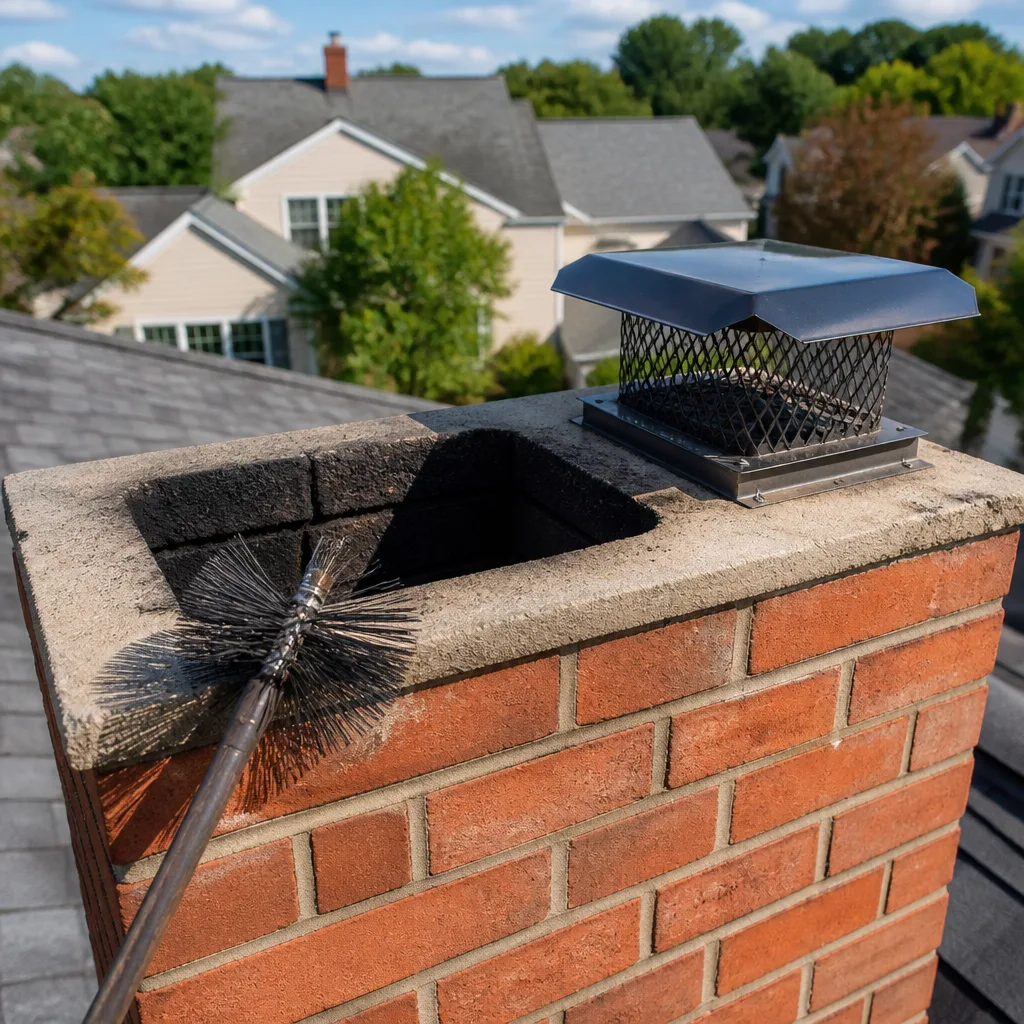
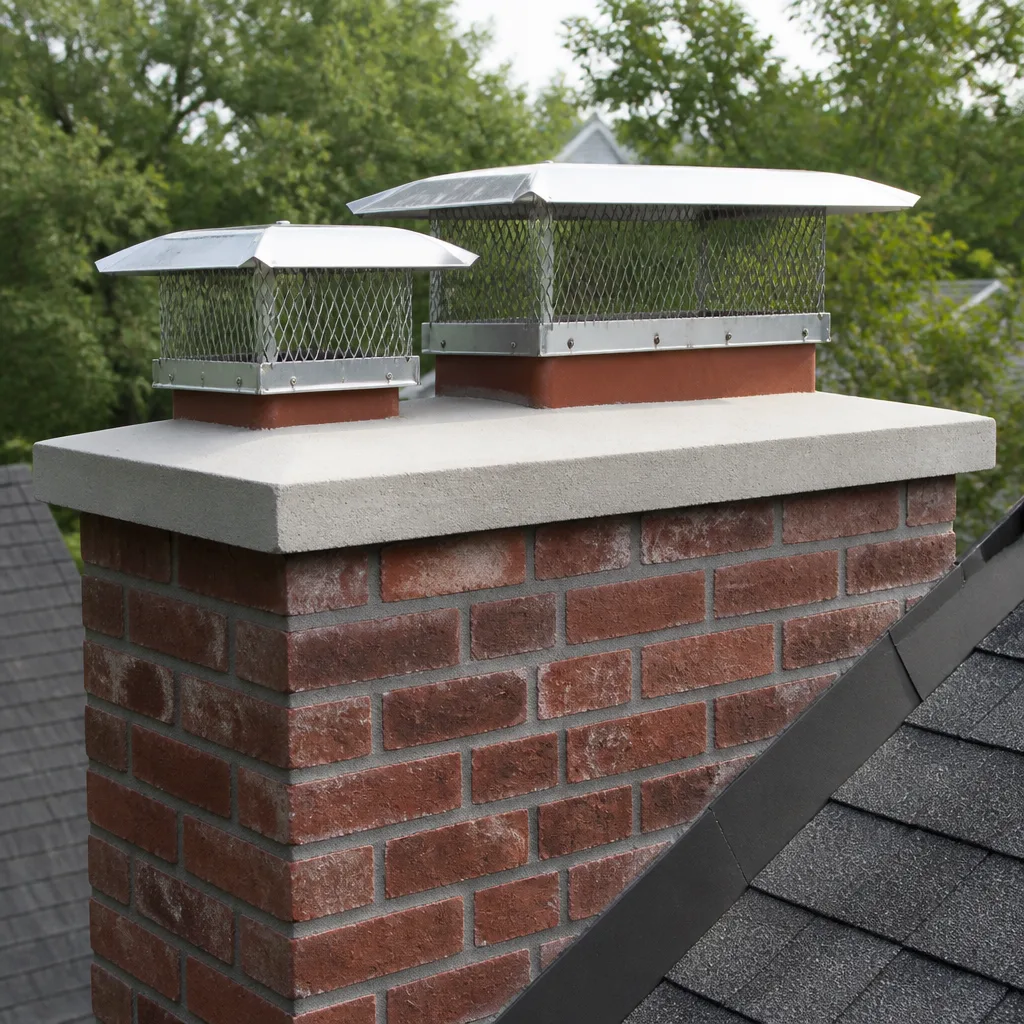
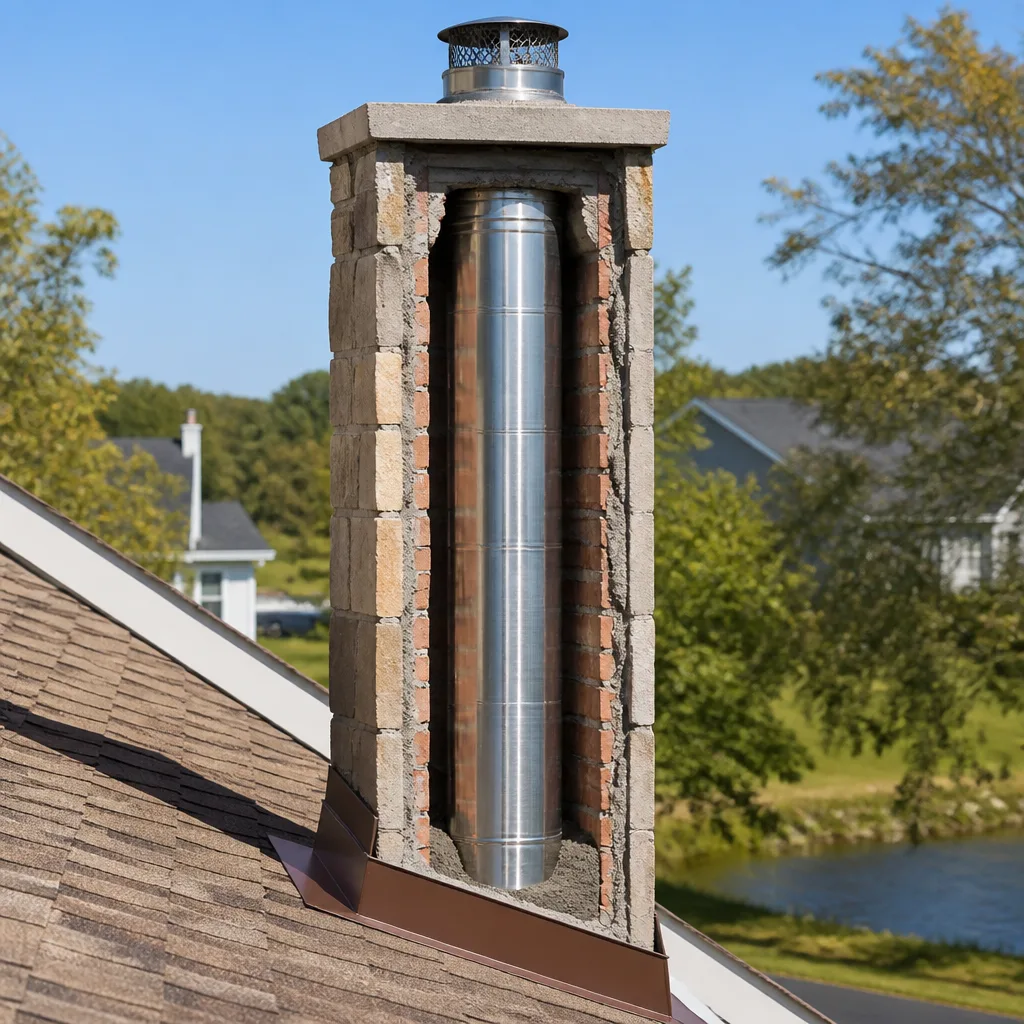
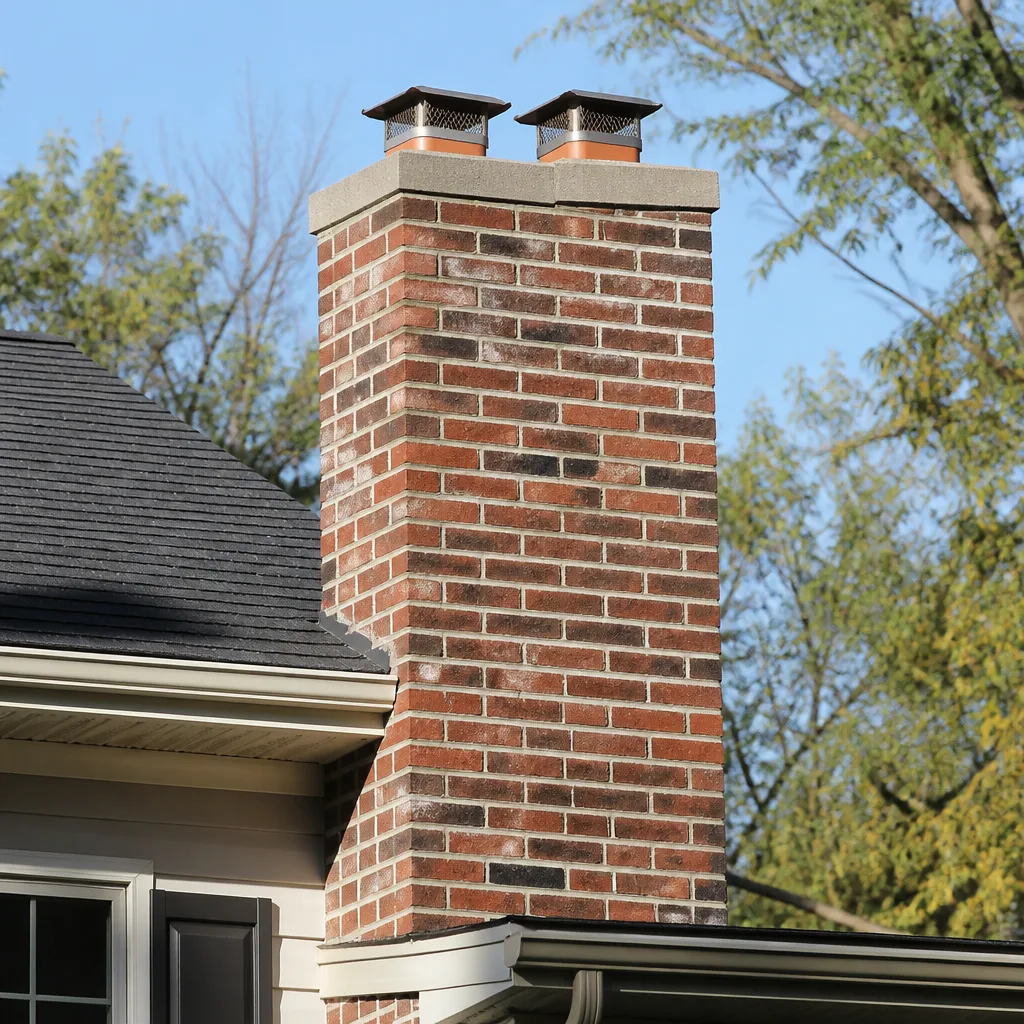
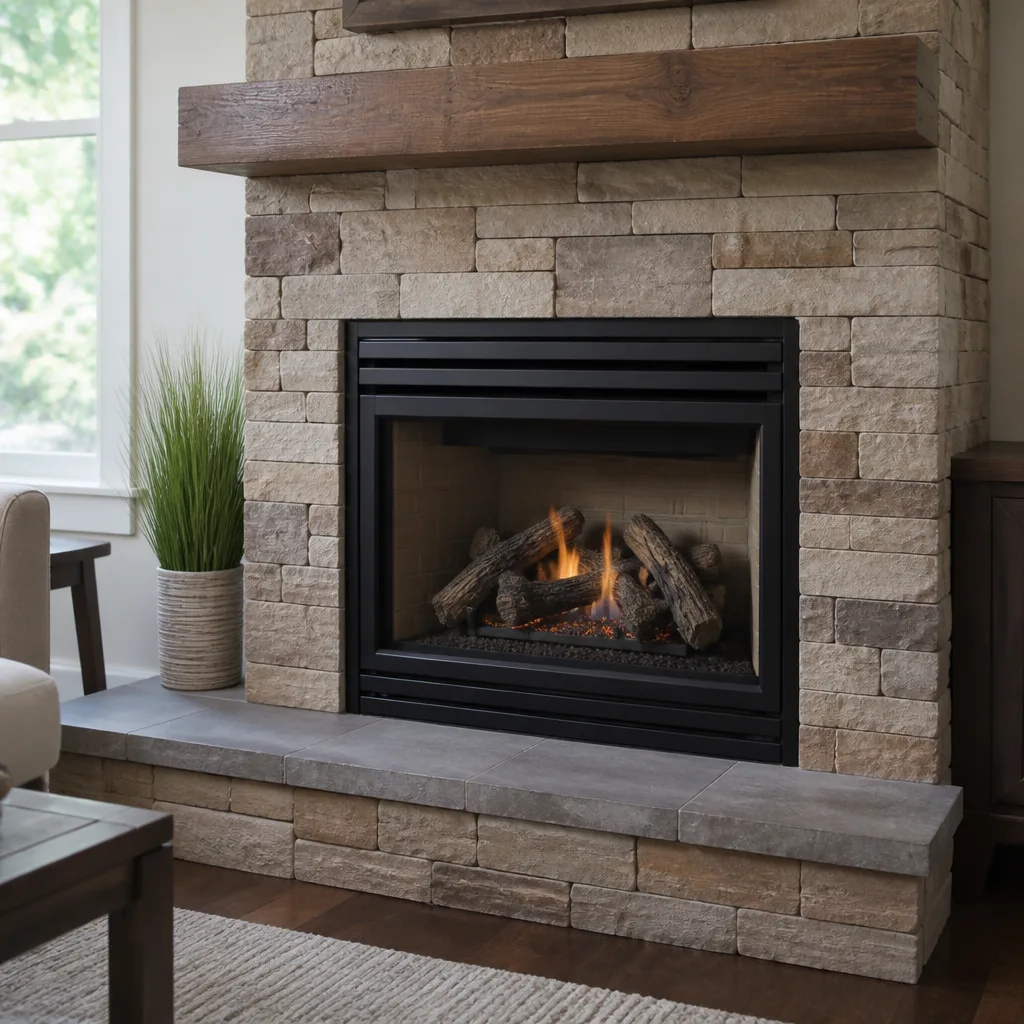
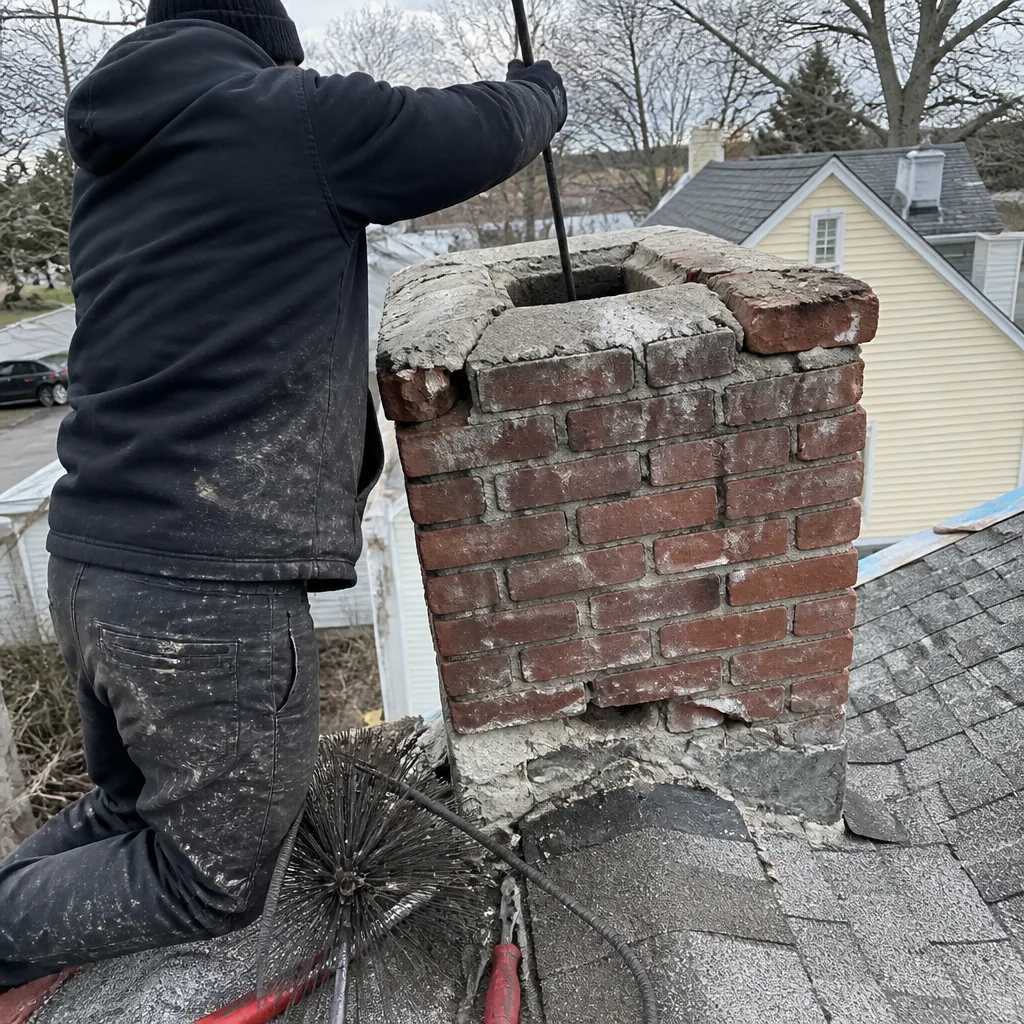 Before
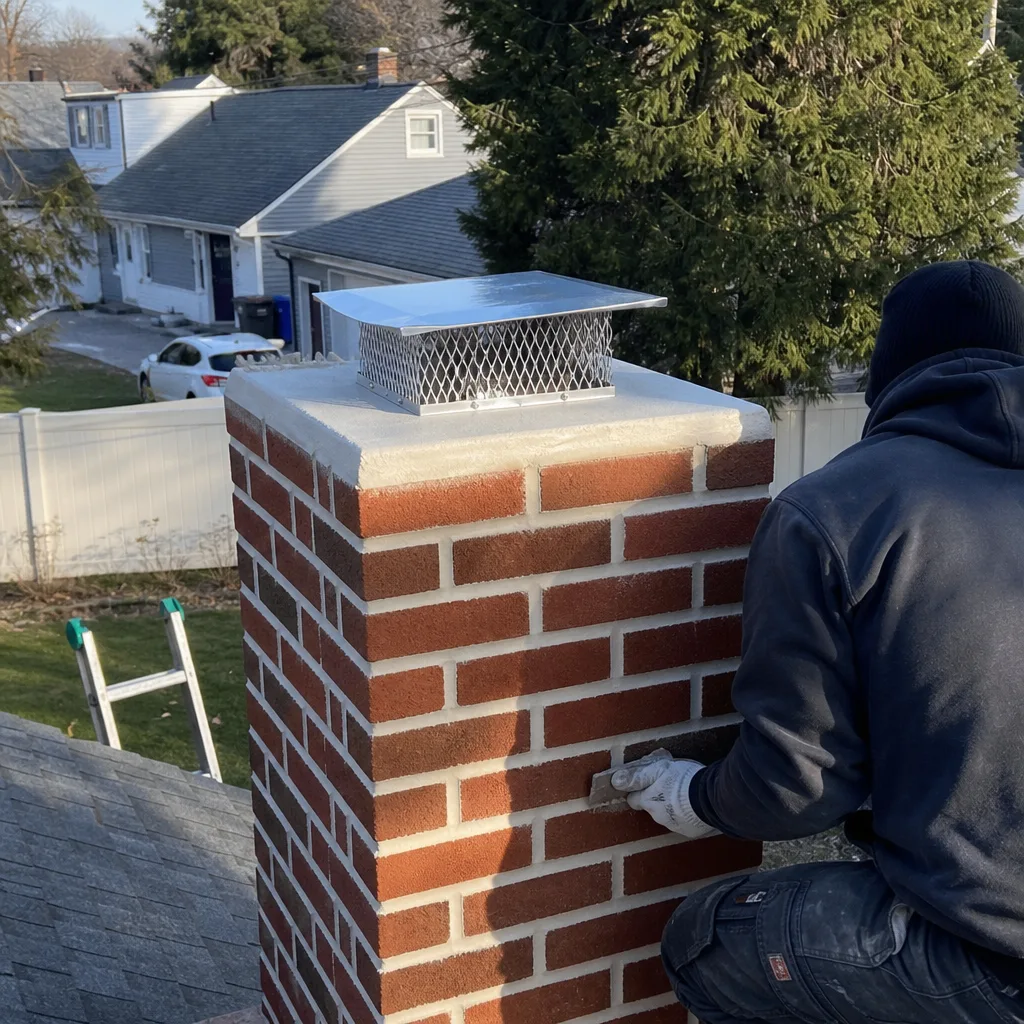 After
After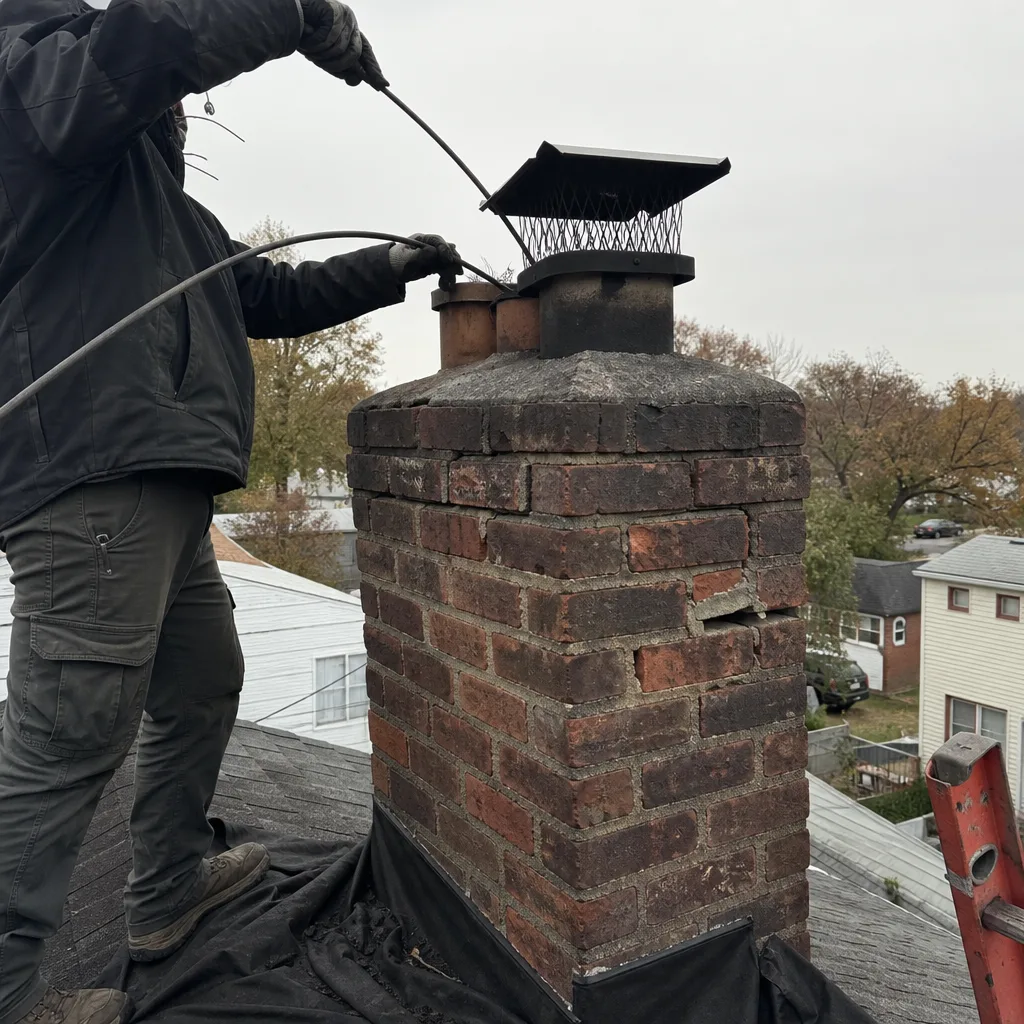 Before
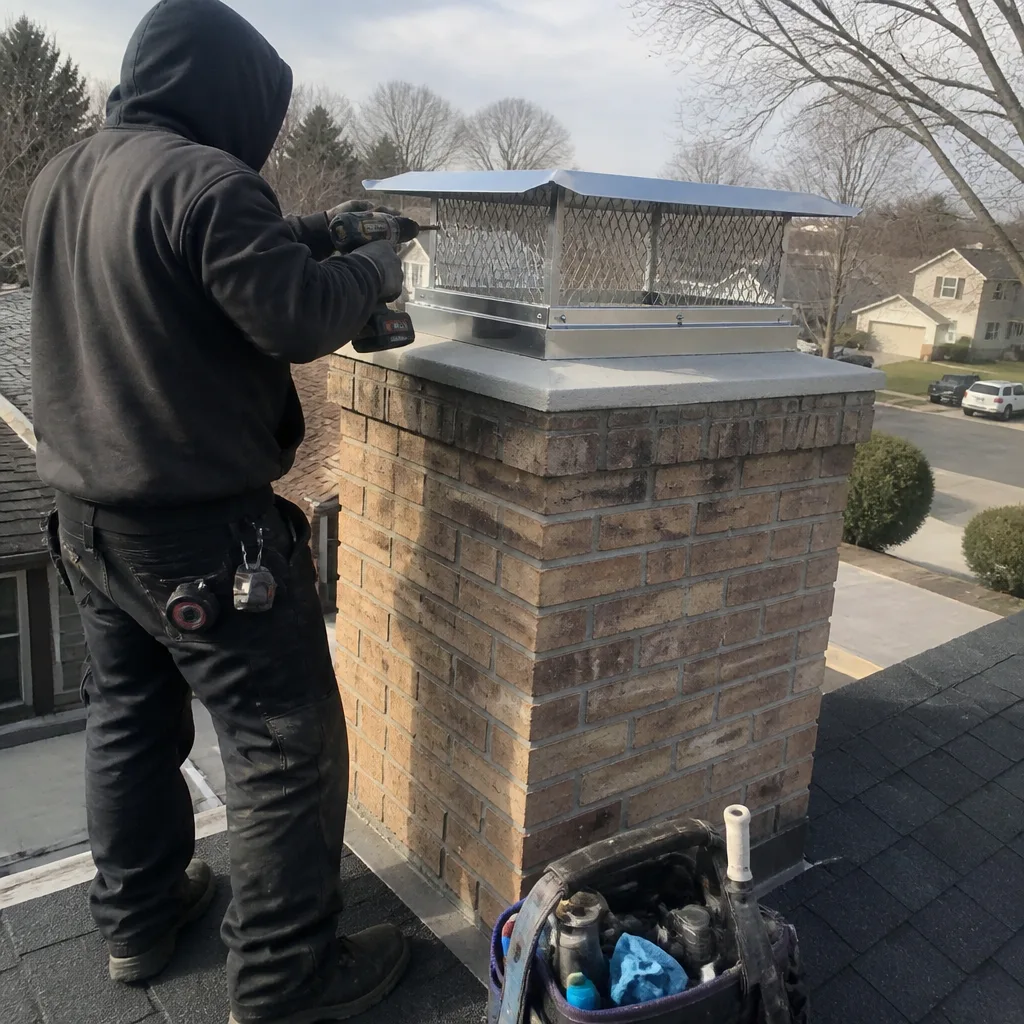 After
After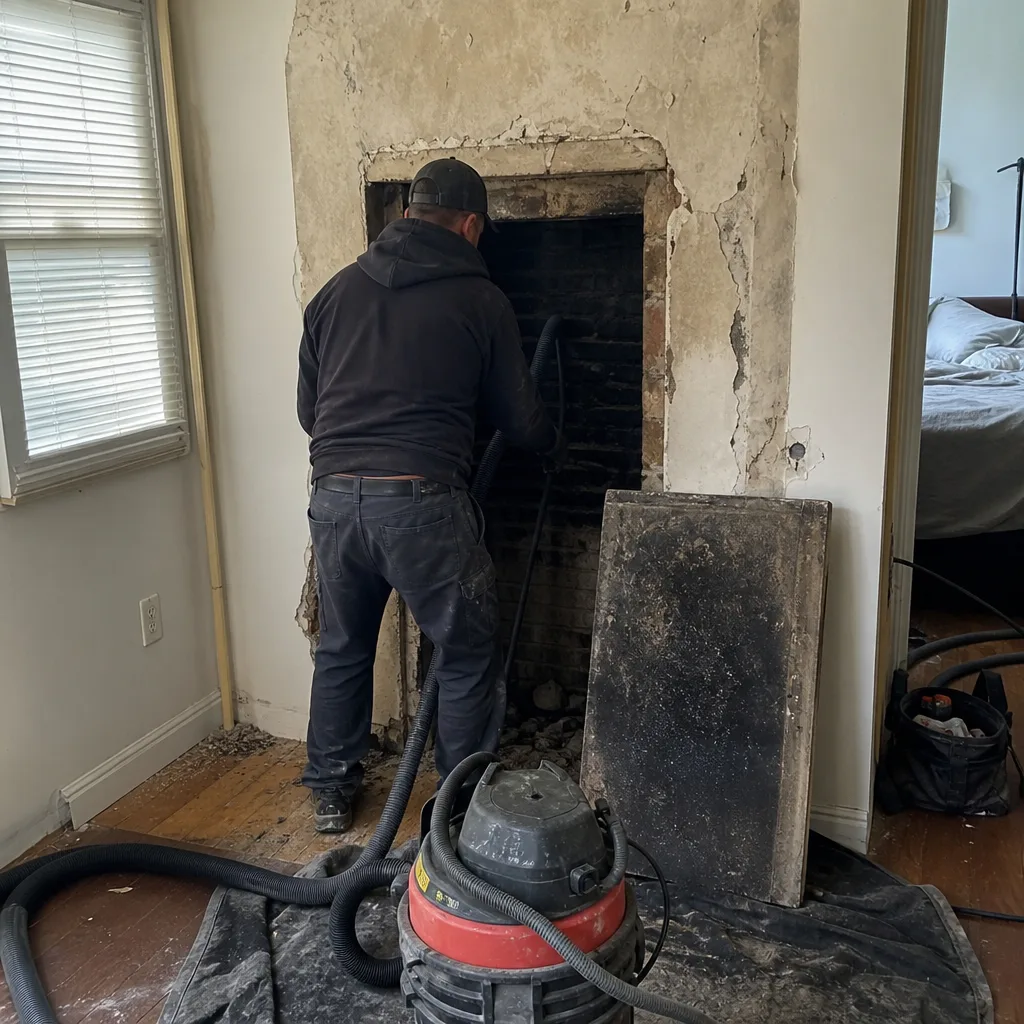 Before
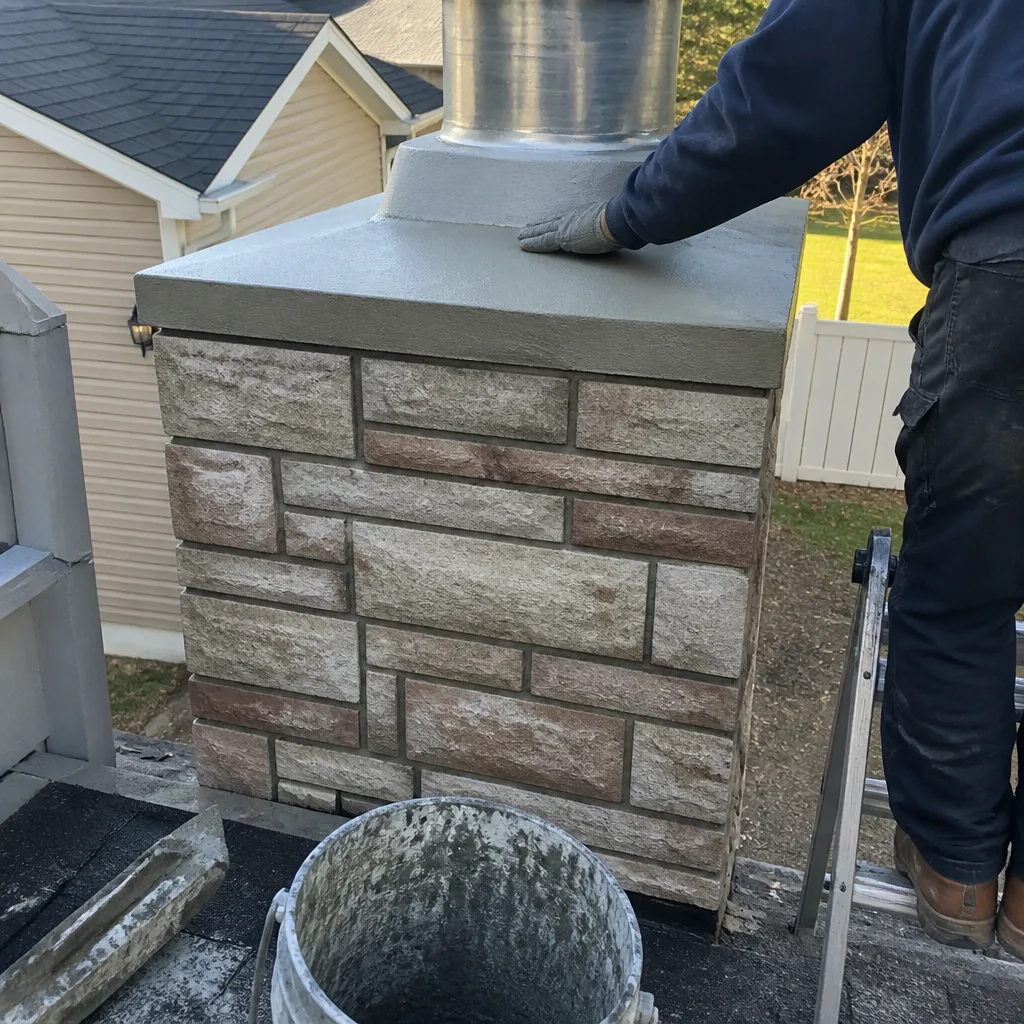 After
AfterDIY vs Professional Chimney Cleaning: The Hempstead Homeowner’s Decision Guide
Most chimney fires in Nassau County don’t happen in neglected fireplaces. They happen in fireplaces that were “cleaned” a few months earlier by a homeowner with a brush kit, a YouTube video, and a false sense of what the inside of a flue actually looks like. Wendell Pike has been inside more Hempstead chimneys than he can count since 1999, and he’ll tell you the same thing he tells neighbors at the hardware store: some homeowners do this job well. Some think they did. The difference is rarely effort. It’s knowing what you’re looking at, what you’re looking for, and what you can’t see from the top or the bottom of a chimney. This guide draws the honest line between the work a careful Hempstead homeowner can genuinely handle and the work that belongs to a trained sweep, because that line is narrower than the internet makes it look and wider than most chimney company websites will admit.
Quick Answer
For most Hempstead homeowners, DIY chimney cleaning is reasonable only when you have a Stage 1 creosote situation, a straight flue, the right tools, and no fear of heights on a 30-foot ladder. The moment you’re dealing with Stage 2 creosote, an angled flue, a chimney that hasn’t been professionally inspected in years, or any water stains on the ceiling near the fireplace, you need a certified sweep. If you burn wood more than twice a week, the smarter answer in Hempstead is an annual professional sweep plus a camera inspection, because that’s how you catch liner cracks and hidden creosote before they become a fire or carbon monoxide problem.
Table of Contents
- What DIY Chimney Cleaning Can Actually Accomplish
- What DIY Cannot Do: The Camera, the Liner, and the Angles
- The Honest Cost Comparison: DIY vs Professional in Hempstead
- Understanding Creosote Stages: Where DIY Starts and Stops
- Hempstead-Specific Factors: Climate, Code, and Insurance
- Step-by-Step: What a Proper DIY Cleaning Looks Like
- Step-by-Step: What a Professional Sweep Actually Does
- Common Mistakes to Avoid
- When to Call a Professional
- Frequently Asked Questions
- The Bottom Line
What DIY Chimney Cleaning Can Actually Accomplish
A homeowner with patience, basic mechanical sense, and a genuine willingness to get dirty can remove loose Stage 1 creosote from a straight flue. That’s a fact, and no honest sweep in Hempstead will pretend otherwise. The chimney cleaning and sweep process is not magic. It’s brush work. It’s scrubbing. It’s elbow grease. What makes it hard is access, visibility, and the ability to verify your work afterward.
Here’s what a careful DIY job can genuinely handle:
- Routine maintenance on a fireplace used fewer than 20 times per season. Light burning produces light creosote, and a brush can knock most of it loose.
- Straight flues with no liner offsets. If your chimney runs straight up from the fireplace to the cap, a brush on a rod set can cover the full length.
- Open fireplaces with easy roof access. A single-story ranch with a gentle roof pitch is a far different situation than a three-story colonial on a hill.
- Fireplaces that were professionally swept and inspected within the last 12 months. If you already know the liner is sound, a light DIY touch-up between pro visits is reasonable.
The common thread here: all of these scenarios involve a known, low-risk situation. You’re not discovering problems. You’re maintaining a system you already understand. That’s the only version of DIY chimney cleaning Wendell endorses, and he’ll tell you so from the Top Hat Chimney home office in Hempstead any day of the week.
What DIY Cannot Do: The Camera, the Liner, and the Angles
This is where the honest line gets drawn. A brush removes creosote from the surface it touches. It does not tell you whether the flue tiles behind that creosote are cracked. It does not show you the hairline separation in a stainless liner joint. It does not reveal the missing mortar between bricks at the 14-foot mark. And those are the things that actually cause chimney fires and carbon monoxide leaks in Hempstead homes.
Here’s what a homeowner physically cannot do without professional equipment:
- See the full interior of the flue. You can look up from the fireplace and see maybe six feet. You can look down from the roof and see maybe eight feet. The middle of a 25-foot chimney is invisible to the naked eye. A professional camera and high-lumen light setup shows every inch.
- Identify Stage 2 creosote hiding behind Stage 1 deposits. The brush knocks off the loose surface layer. The glazed tar underneath stays put. You never know it’s there.
- Detect deteriorated mortar joints between flue tiles. This is called spalling, and it’s one of the most common hidden problems Wendell finds in Hempstead chimneys built in the 1950s through the 1980s.
- Assess liner integrity after high-heat events. If you had a chimney fire at any point, even a small one that burned itself out, the liner can be compromised. A camera inspection is the only way to know.
- Measure clearances to combustibles inside the chase. This matters especially in newer Hempstead construction with prefabricated fireplaces and wood-framed chimney chases.
None of this is a knock on DIY ability. It’s physics. The human eye can’t see around corners or through creosote. Your flue doesn’t care how the fire looks. It cares how it breathes. And if it can’t breathe properly, you get the exact conditions that cause chimney fires: restricted airflow, unburned wood gases, and creosote deposits igniting at 2,000 degrees.
The Honest Cost Comparison: DIY vs Professional in Hempstead
The $40 chimney brush kit from the big-box store sounds like a bargain until you add up what a real, safe DIY job actually requires. Wendell has watched this math play out for over 25 years, and it rarely works in the homeowner’s favor once you account for everything.
What DIY Actually Costs, Item by Item
| Item | Typical Cost | Notes |
|---|---|---|
| Basic brush kit (brush, rods, tarp) | $40 – $80 | Fine for light touch-ups. Not enough for real cleaning. |
| Correct-size brush for your flue | $25 – $50 | Most kit brushes are one-size-fits-none. Wrong size does nothing. |
| Ladder tall enough for your roof | $150 – $350 | Assuming you don’t already own a 24-foot extension ladder. |
| PPE: respirator, goggles, gloves | $40 – $80 | Creosote dust is toxic. You don’t want it in your lungs. |
| Drop cloths and plastic sheeting | $20 – $40 | Creosote stains permanently. Ask anyone who skipped this. |
| Shop vacuum with HEPA filter | $80 – $150 | Standard filters blow fine creosote dust right back into the room. |
| Your Saturday afternoon | 4 – 6 hours | For a first-timer. Experienced DIYers can do it in 3. |
Add it up and you’re at $350 to $750 in tools and materials for a first clean, not counting your time. A professional sweep in Hempstead typically runs $180 to $350 for a standard open fireplace cleaning, and that includes the camera inspection, the heavy-duty vacuum, the full PPE setup, and a written report you can show your insurance company if you ever need to. See our Chimney Cleaning Cost Breakdown: The Hempstead Homeowner’s Reference for 2026 for full pricing details.
And here’s the part most DIY guides skip: disposal. Creosote-laden ash and debris cannot go in your regular trash in Nassau County. It’s considered a fire hazard, and if you’re caught putting it in regular garbage, you’re creating a liability for yourself. Professional sweeps handle disposal as part of the job. When Wendell and his crew leave a chimney repair or cleaning job in Hempstead, the homeowner never touches a bag of creosote.
The cost math flips in your favor DIY only if you already own most of the equipment and you’re doing a light maintenance clean on a recently-inspected chimney. That’s the narrow window where DIY saves money.
Understanding Creosote Stages: Where DIY Starts and Stops
This is the knowledge gap that causes most DIY chimney cleaning disasters. Creosote isn’t one substance. It’s three distinct stages, and each requires a different response. Most online guides never explain how to tell them apart, which is exactly how a homeowner ends up brushing a Stage 2 glaze, seeing black residue on the brush, and assuming the job is done.
The Three Stages of Creosote, in Plain Terms
- Stage 1: Flaky soot. Looks like flat black powder or small flakes. Brushes off with light pressure. This is what’s in the fireplace after a dozen or so fires. DIY territory for a careful homeowner.
- Stage 2: Crunchy tar. Looks like black popcorn or dried coffee grounds stuck to the flue walls. Feels brittle but resists brushing. This is where DIY stops and you need a pro with mechanical rotary tools. Stage 2 is the primary fuel source for most chimney fires.
- Stage 3: Glazed tar. Looks like a shiny, hardened coating baked onto the flue surface. Sounds like tapping on glass when struck. This is concentrated fuel. A regular brush does almost nothing to it. Removing it requires chemical treatment or mechanical removal. Stage 3 almost always forms after a chimney fire that burned slow and hot, cooking the existing creosote into a glaze.
How do you know which stage you have without a camera? Listen for the sound when you run a brush up the flue. Stage 1 sounds like sweeping a dry concrete floor. Stage 2 sounds like dragging the brush across loose gravel. Stage 3 sounds like running the brush over hammered glass. The sound tells you what you’re dealing with. And if you hear gravel or glass, stop. Call a sweep. That’s the exact threshold Wendell teaches to homeowners at the fireplace services counter when they come in asking about DIY.
Hempstead-Specific Factors: Climate, Code, and Insurance
Hempstead’s climate does specific things to chimneys, and most generic DIY guides never mention them. This is the local knowledge that actually matters.
Freeze-thaw cycles. Our winters bounce between freezing and thawing constantly. Water gets into tiny cracks in brick and mortar, freezes, expands, and widens the crack. Repeat that for ten years and you have spalled brick and failing mortar joints. A camera inspection catches this early. A brush does not.
Salt air and coastal moisture. Hempstead sits close enough to the South Shore that homes within a few miles of the water deal with elevated moisture levels. Moisture accelerates creosote adhesion. It also promotes condensation inside unlined flues, which speeds up liner deterioration. If you’re south of Hempstead Turnpike, your chimney ages faster than the same chimney in Garden City.
The Nor’easter factor. Driven rain from coastal storms pushes water deep into exposed chimney crowns. Cracked crowns lead to water in the flue, which makes creosote stickier and harder to remove. Wendell sees more crown damage in Hempstead than in inland Long Island towns, and every one of those crowns needed replacement before the homeowner’s DIY brush touched the flue.
Legal and Insurance Exposure: When DIY Creates a Problem You Didn’t Plan For
Here’s the part nobody puts in the YouTube tutorial: your chimney creates legal exposure in Hempstead in three specific ways.
- Insurance claims. If you have a chimney fire and your insurance company asks when the chimney was last professionally cleaned and inspected, “I did it myself” is not the answer they want to hear. Most Nassau County homeowner policies require proof of professional maintenance after a fire claim. Without a dated invoice from a licensed sweep, the claim can be denied. That’s a $15,000 to $40,000 exposure depending on the damage.
- Home sales. When you sell a house in Hempstead, the buyer’s home inspector will look at the chimney. If they flag creosote buildup or liner issues, you’re fixing it before closing. A paper trail of professional cleanings makes that process painless. DIY brush marks don’t show up on a receipt.
- Appliance warranties. If you have a wood-burning insert or stove from a manufacturer like Olympia Chimney or a liner system from HeatShield, the warranty almost certainly requires annual professional inspection and cleaning. DIY cleaning voids many of those warranties. Read your paperwork. Most people never do.
The legal reality is that DIY cleaning shifts responsibility entirely onto you. Professional cleaning shifts it onto the sweep’s insurance, the sweep’s documentation, and the sweep’s reputation. For a homeowner whose stack of insurance paperwork is thicker than their tool manual, that matters.
Step-by-Step: What a Proper DIY Cleaning Looks Like
If you’ve read this far and your situation matches the Stage 1, straight-flue, recently-inspected profile, here’s the version of DIY Wendell considers appropriate. This is not the shortcut version from YouTube. This is the version that takes four hours and actually works.
- Confirm the basics first. The chimney was professionally inspected within 12 months. You’ve used the fireplace fewer than 20 times since. You have no water stains on the ceiling near the fireplace. If any of these aren’t true, stop and call a sweep.
- Assemble the right tools. A brush sized exactly to your flue dimensions, fiberglass rods that lock together, a HEPA shop vacuum, drop cloths, painter’s tape, a respirator rated for fine particulates, goggles, and work gloves. Not a $40 kit. The real setup.
- Prep the room. Tape plastic sheeting over the fireplace opening with a small slit for your brush rod. Cover every surface within ten feet. Creosote dust floats and settles everywhere. It stains fabrics permanently.
- Access the flue from the roof or from below. For open fireplaces, cleaning from the bottom up with the damper open is safer than climbing on the roof. For most Hempstead homes, roof access means a 24 to 28-foot ladder against a two-story structure. If you’re uncomfortable at that height, that’s your answer. Call a sweep.
- Brush the flue in sections. Work the brush up and down in 3 to 4-foot strokes. Don’t spin the rods. Don’t force anything. If the brush binds, you’ve hit Stage 2 or an obstacle. Stop. That’s the signal that this is no longer a DIY job.
- Vacuum the firebox and smoke shelf thoroughly. The smoke shelf is the flat area just above the damper. Creosote piles up there and most DIYers never reach it. A long, flexible vacuum hose attachment helps, but even then, you’re working blind.
- Dispose of everything properly. Double-bag the creosote debris. Contact the Town of Hempstead for hazardous waste disposal guidance. Do not put it in regular trash.
If that list sounds like a full day of work, that’s because it is. Now ask yourself the honest question: is this how you wanted to spend your Saturday?
Step-by-Step: What a Professional Sweep Actually Does
Most Hempstead homeowners have never seen a professional chimney cleaning done properly, because the TV and the national chain ads show a guy with a brush and a mask and call it a day. Here’s what Wendell and his crew actually do on every single job, every time, no exceptions.
- Lay protection from the front door to the fireplace. Canvas drop cloths, corner guards, and shoe covers. The house stays clean. If it doesn’t, that falls under the 90-Day Done Right Promise.
- Camera inspection before any brush touches the flue. A video camera with high-lumen lighting goes up the full length of the chimney. This is recorded. You watch it live. Wendell narrates what he’s seeing in plain English: flue condition, creosote stage, any cracks or gaps, any water intrusion.
- Set up a high-power HEPA negative air system. This creates negative pressure inside the fireplace so that zero dust enters the living space. The brush work happens inside a contained system. Nothing escapes.
- Determine the creosote stage and choose the right tool. Stage 1 gets a properly-sized wire or poly brush. Stage 2 gets rotary cleaning heads on a drill-driven system, usually with a poly or steel whip attachment. Stage 3 requires chemical treatment or the most aggressive mechanical removal, and sometimes both.
- Clean the full system. Flue, smoke chamber, smoke shelf, damper, firebox. Every component is swept, not just the main flue pipe. The smoke chamber is the area most DIY brushes never reach, and it’s a primary creosote collection point.
- Post-cleaning camera inspection. Same camera. Same path. You see the before and after. The flue is visibly clean, and any structural issues that the creosote was hiding are now documented. You get a written report with the footage.
- Remove debris and creosote from the property. It’s bagged, sealed, and disposed of according to Nassau County regulations. You don’t touch it.
The entire process for a standard open fireplace takes 60 to 90 minutes. You get a written report. You get the footage. You get a date the next cleaning is due. And if anything isn’t right, one call brings the crew back under the 90-Day Done Right Promise. That’s the difference between a brush and a verification.
Common Mistakes to Avoid
- Buying the $40 kit and calling it done. The brush in that kit is almost never the right size for your flue, and the rods flex too much to apply real pressure. You’ll knock loose some surface soot and leave the actual creosote in place. The fireplace will look clean. It isn’t.
- Cleaning from the roof without a harness or spotter. This is how homeowners fall off roofs in Hempstead every year. A 24-foot ladder, a steep pitch, and a chimney brush in one hand is a hospital visit waiting to happen. If you’re not comfortable on a ladder at roof height for 30 straight minutes, do not attempt this.
- Skipping the smoke shelf and smoke chamber. The flue is only part of the system. The smoke shelf, that shelf-shaped area above the damper, collects creosote faster than any other component. Ignore it and you leave the most combustible concentration in your chimney untouched.
- Putting creosote debris in the regular trash. It’s a fire hazard, it’s illegal in most Nassau County pickups when mixed with regular household waste, and it’s an insurance liability if anything happens.
- Ignoring Stage 2 creosote because the brush “got a lot of stuff.” The brush always gets stuff. That doesn’t mean it got the right stuff. If the residue on the flue walls sounds crunchy when you brush it, that’s Stage 2. Stop. Call a sweep with rotary equipment.
- Cleaning a chimney you haven’t had inspected in years. If it’s been a while, you don’t know what you’re cleaning around. A deteriorated liner, a damaged flue tile, an animal nest, or a failed damper could be hiding behind years of buildup. The first cleaning after a long gap should always be professional, camera-verified, and documented.
- Assuming “we never burn much” means no cleaning needed. Once a year, burn or no burn. Chimneys break in the off-season too. Water damage, animal intrusion, and creosote from a handful of fires all happen regardless of how many logs you burned. The annual rhythm exists for a reason.
When to Call a Professional
Call a professional sweep when any of these apply: you hear crunchy or glassy sounds when a brush touches the flue walls, you see water stains on the ceiling or walls near the chimney, you smell smoke in the house after the fire is out, you haven’t had a camera inspection in more than two years, you’re buying or selling a home in Hempstead, or you simply don’t want to spend your Saturday on a ladder. None of those are skills gaps. They’re risk thresholds. The moment you cross one, the smart move is a trained sweep with a camera and a written report. Top Hat Chimney offers free estimates in Hempstead. Call (516) 963-1068 and Wendell or a member of his crew will walk you through what your chimney actually needs. No pressure. No upsell. Just the honest word.
Frequently Asked Questions
A standard open fireplace cleaning in Hempstead typically runs between $180 and $350, depending on the chimney’s height, creosote level, and whether it’s been maintained regularly. Most sweeps in the area charge less than $200 for a basic cleaning with no complications. Call (516) 963-1068 for an exact quote on your chimney. Estimates are free, and the price you hear on the phone is the price on the invoice.
Brush the flue and listen: Stage 1 sounds like sweeping a dry concrete floor and flakes off easily. Stage 2 sounds like dragging a brush across loose gravel and resists brushing. Stage 2 is a fire hazard and requires professional rotary cleaning equipment. If you hear gravel, stop and call a sweep at (516) 963-1068 before you use the fireplace again.
Yes, the camera inspection is the only way to see what’s hiding inside the flue, and it’s the difference between a cleaning and a false sense of security. Creosote hides liner cracks, deteriorated mortar, and animal nests. A professional sweep who doesn’t run a camera is selling you half a job, and any reputable Hempstead chimney company includes the camera work as standard.
Once a year, burn or no burn. That’s the flooring, not the ceiling. If you burn more than two cords of wood per season, you may need mid-season attention. If you burn rarely, the annual sweep still catches off-season damage like water intrusion and animal nests. Hempstead’s freeze-thaw cycles and coastal moisture mean a chimney that sits idle still deteriorates.
Creosote builds up in stages. Stage 1 becomes Stage 2, and Stage 2 is combustible fuel. A chimney fire burns at 2,000 degrees and can crack the liner, ignite nearby framing, and send burning embers onto the roof. In Hempstead homes built before 1940, the clearances between the chimney and wooden framing are often tighter than modern code allows, which makes a chimney fire more likely to spread. Call (516) 963-1068 and get it handled before it becomes a problem you can’t un-have.
Yes, every job gets the promise in writing, cleanings included. If the work isn’t done right, one call brings Wendell and his crew back at no additional cost. That’s not a marketing line. It’s the guarantee that comes with a business where the owner’s name, license number, and phone number are all published, and where he’ll run into you again on Saturday.
The Bottom Line
DIY chimney cleaning in Hempstead has a narrow, legitimate lane: light creosote, a straight flue, a recent professional inspection, and the full tool setup. Anything beyond that, and the risks start stacking: hidden Stage 2 creosote, liner damage you can’t see, insurance exposure, warranty voids, and a Saturday afternoon spent on a ladder instead of with your family. Professional cleaning with a camera inspection costs about the same as a proper DIY setup for the first year and comes with documentation, verification, and a guarantee. The camera footage and a plain-English verdict, every time, no exceptions. That’s the standard Top Hat Chimney has held since 1999, and it’s the answer Wendell gives any Hempstead neighbor who asks. Call (516) 963-1068 for a free estimate, and he’ll tell you straight whether your chimney needs work or can wait. Ask anyone on your street.
Written by Wendell Pike, Owner at Top Hat Chimney, serving Hempstead since 1999.