
Last updated September 10, 2026
Level 1 sweep and inspection to the NFPA 211 annual standard - flue, crown, cap, and flashing checked and photographed
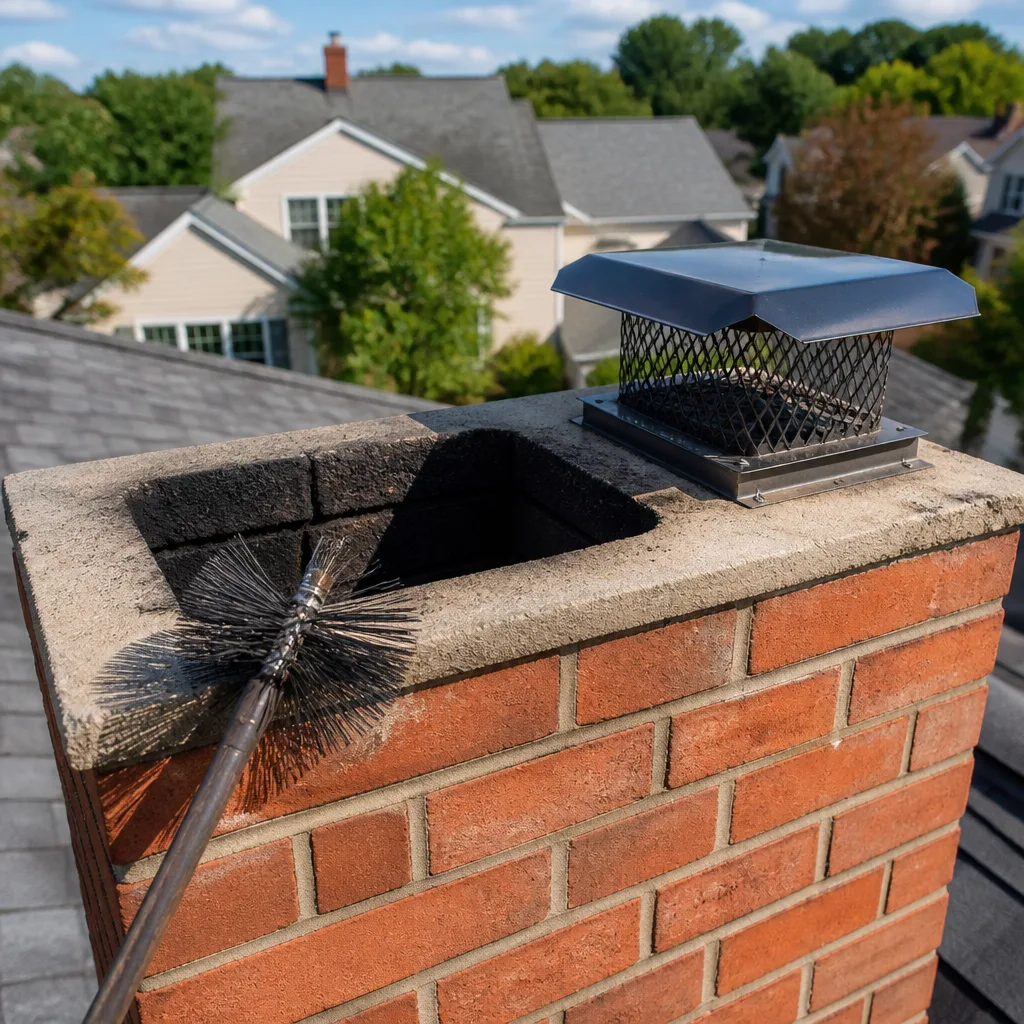
Chimney sweep logs do not sweep chimneys. They loosen some creosote - which then falls where a brush and vacuum still have to collect it.
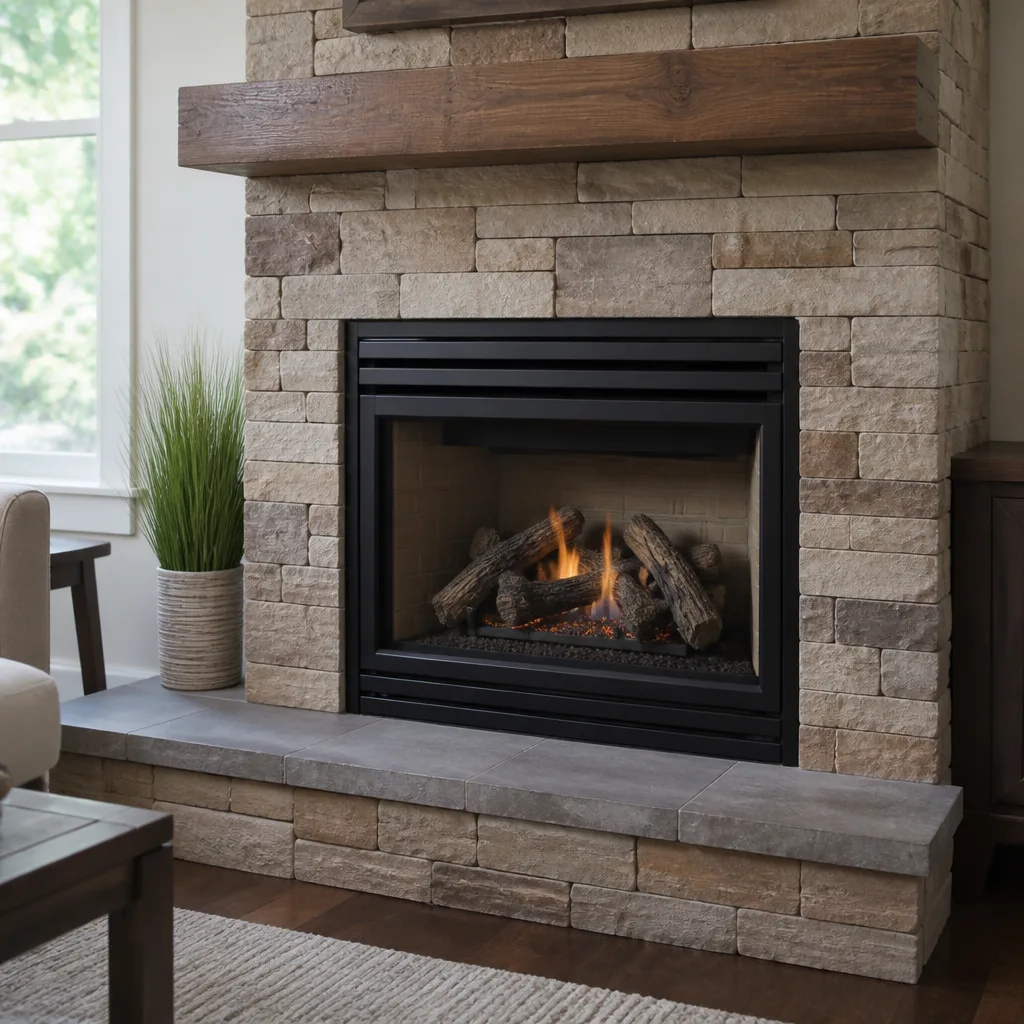
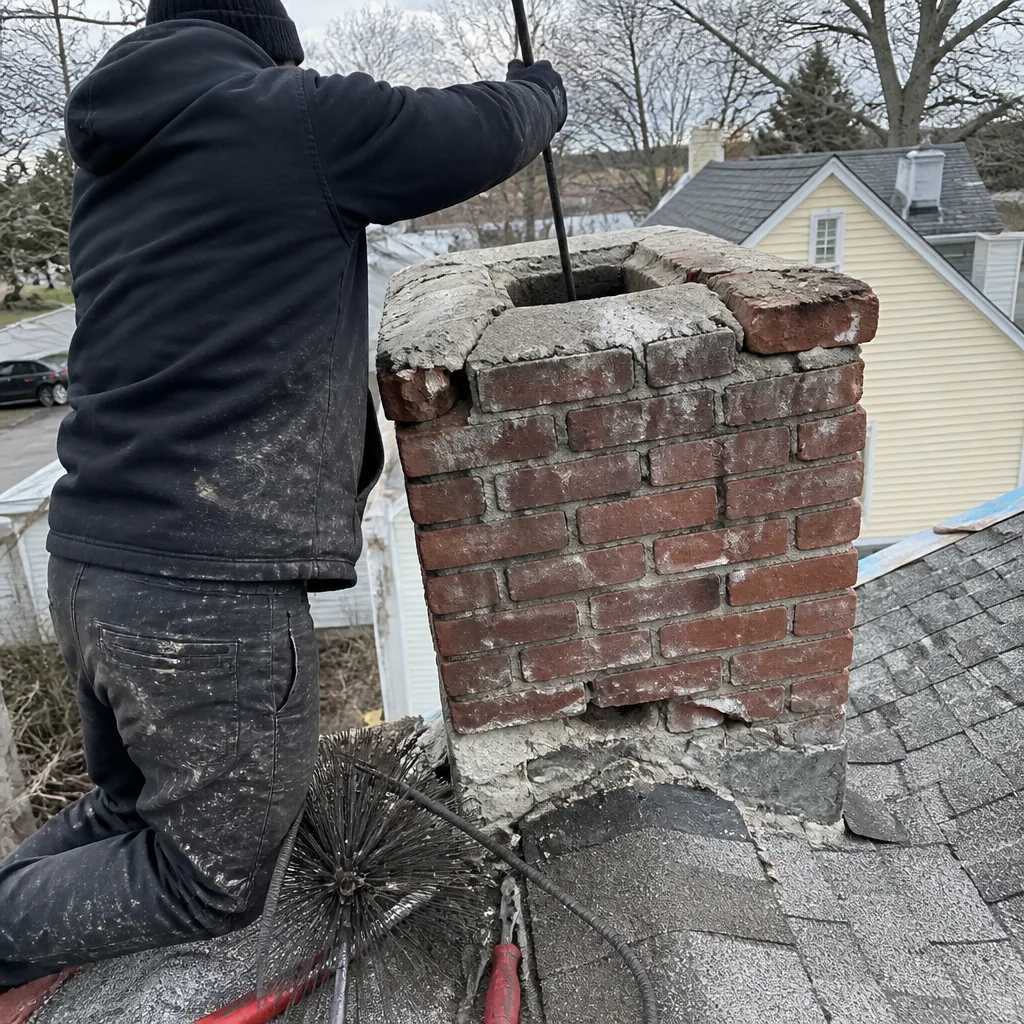 Before
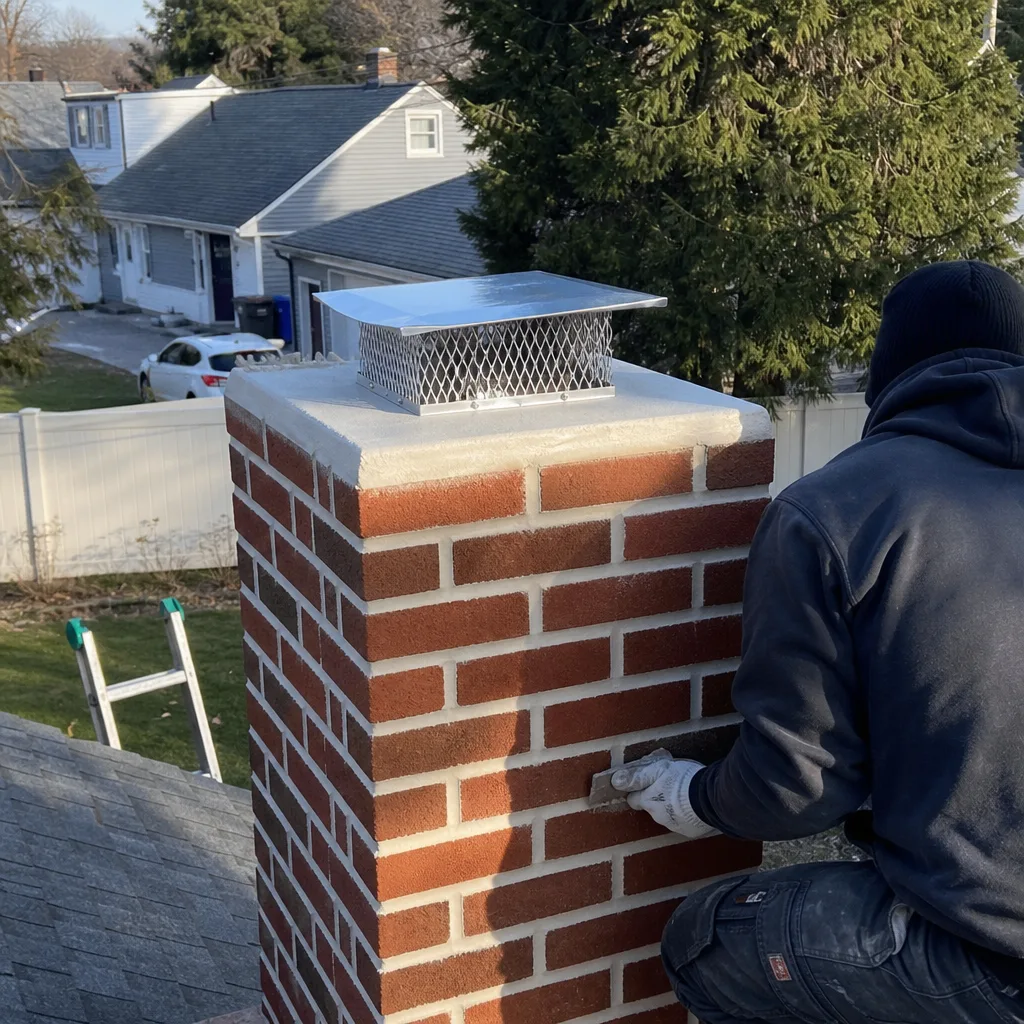 After
After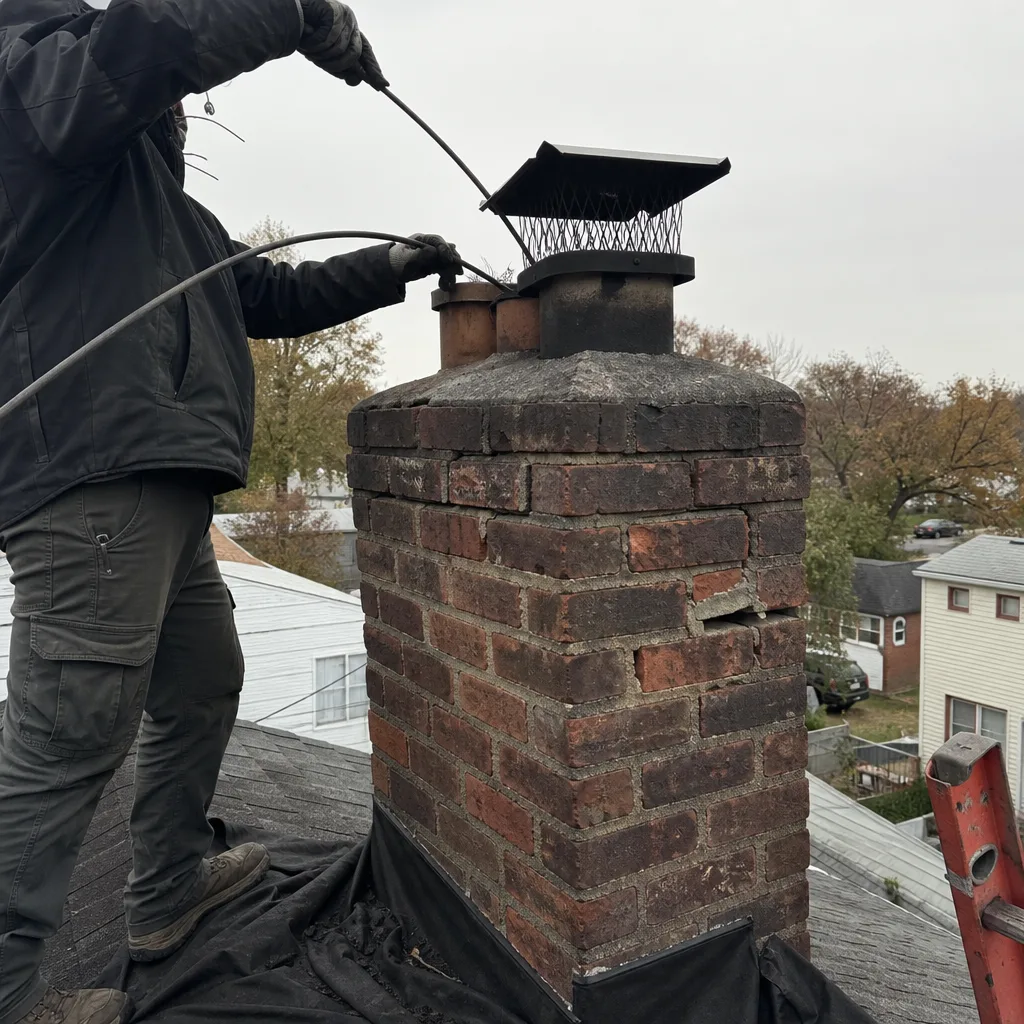 Before
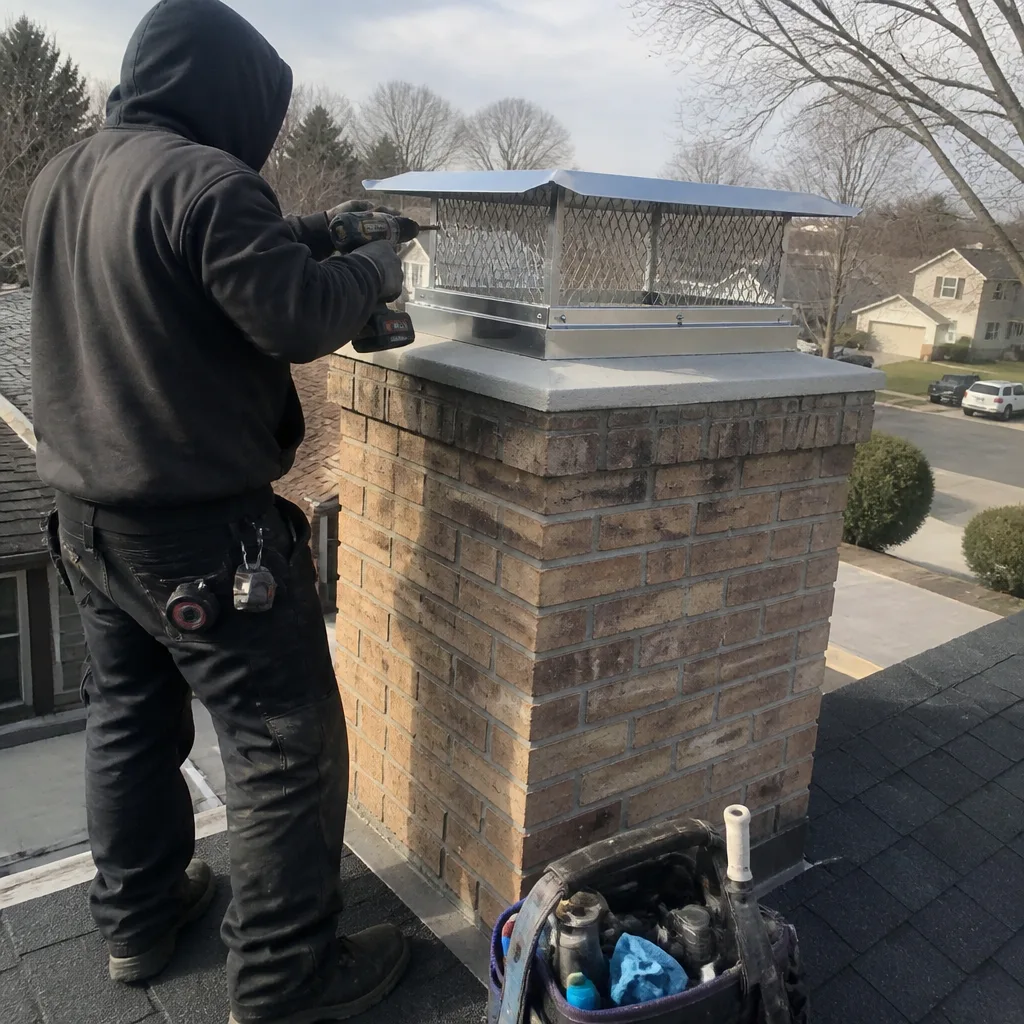 After
After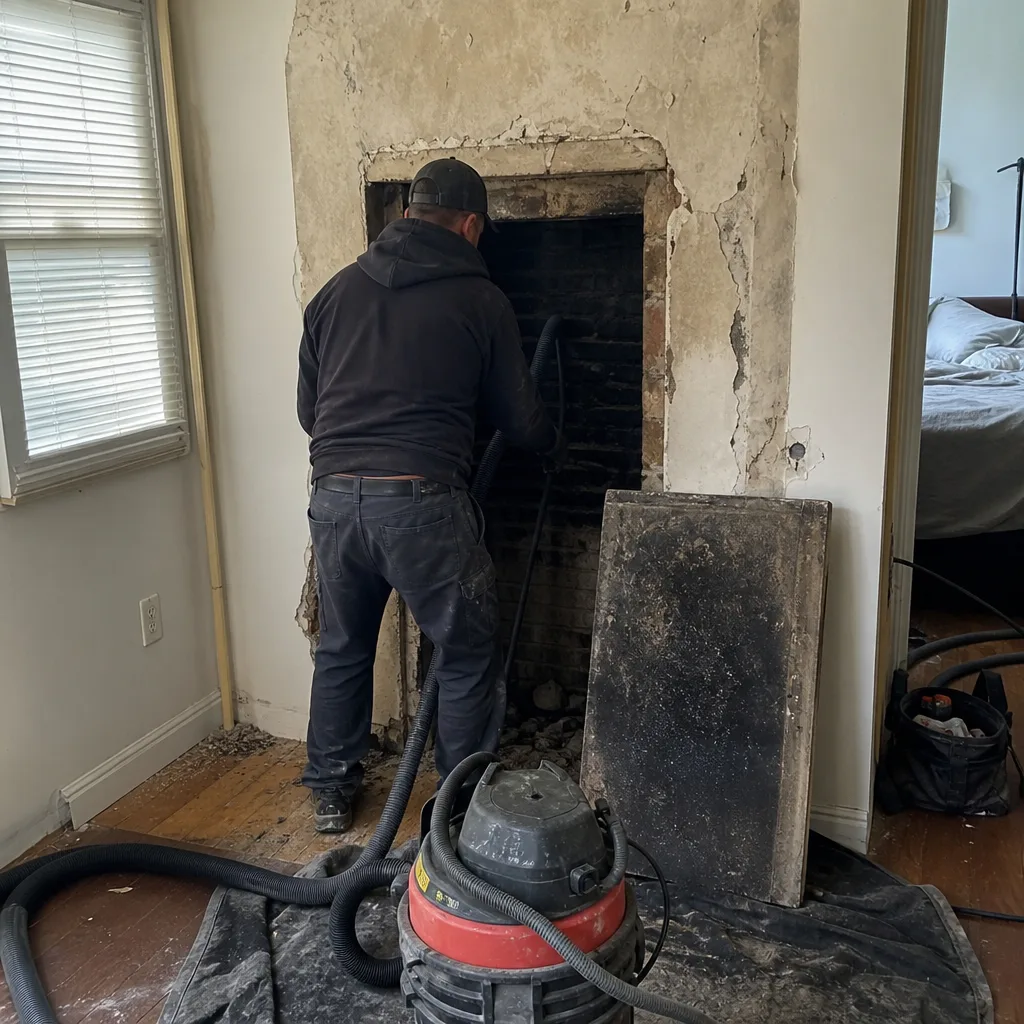 Before
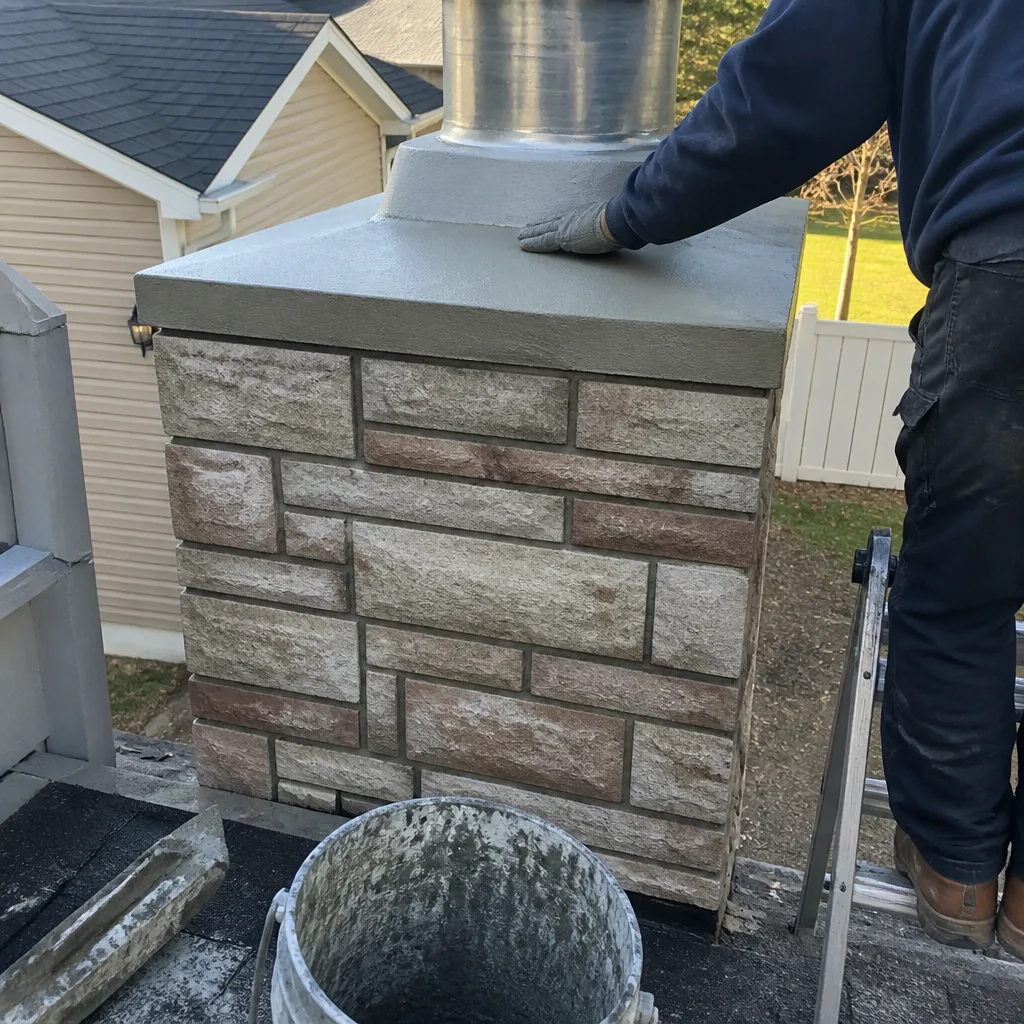 After
AfterSeasonal Chimney Cleaning Care for Hempstead: Year-Round Homeowner’s Guide
Most “seasonal chimney guides” floating around the internet were written for somewhere in Ohio, or maybe a Denver suburb where the air is dry and the seasons behave themselves. They don’t mention that Hempstead gets nor’easters in March, salt-heavy humidity all summer, and freeze-thaw cycles that can crack a chimney crown in a single January week. This guide is built for what actually happens to a Nassau County chimney across the four seasons, written by someone who has been inside more Hempstead flues than he can count since 1999. By the time you finish, you’ll know when to schedule, what to look for, what you can safely ignore, and what will come back to cost you triple if you skip it. For more guides & resources, see our blog.
Quick Answer
Seasonal chimney care in Hempstead means a two-visit rhythm, not a single fall sweep. Schedule your cleaning in late summer, between mid-August and late September, so the flue is ready before the first fire and you avoid the October booking crunch. Then do a visual check of the exterior brick, crown, and cap every spring after the worst of the coastal weather has passed. Gas fireplace venting needs annual attention too, even without visible soot, because burner and vent issues show up on a schedule that has nothing to do with how much you burn.
Table of Contents
- The Hempstead Problem: Salt, Freeze-Thaw, and Nor’easters
- Why Late Summer Is the Smartest Time to Sweep in Hempstead
- What Your Chimney Is Doing Structurally During a Long Island Winter
- Spring Moisture Damage After a Wet Coastal Winter
- Why Gas Fireplaces Still Need Seasonal Attention in Hempstead
- Building a Two-Visit Schedule That Matches Long Island’s Climate
- Common Mistakes to Avoid
- When to Call a Professional
- Frequently Asked Questions
- The Bottom Line
The Hempstead Problem: Salt, Freeze-Thaw, and Nor’easters
Hempstead sits far enough south on Long Island to catch the full force of Atlantic weather, but far enough north of the immediate shoreline that homeowners sometimes think the salt air does not reach them. It does. The prevailing winds carry marine moisture across the Meadowbrook and Wantagh parkways straight into neighborhoods like Uniondale, East Meadow, and West Hempstead, and that salt-laden humidity settles into masonry. Brick and mortar are porous. They absorb moisture. And moisture, more than fire, is what ages a chimney in Nassau County.
Here is the cycle we see repeated across Hempstead every year. Warm days in late winter and early spring thaw the outer layer of brick that froze overnight. Water expands when it freezes, by roughly nine percent. That expansion pushes against the mortar joints and the crown from the inside. Do that twenty times over a single January and February, and a hairline crack becomes a visible gap. Do it for three winters and the crown starts spalling, which is the technical word for crumbling away in flakes. Your flue does not care how the fire looks. It cares how it breathes, and a cracked crown lets water run down the flue and into the firebox, where it does not belong.
Nor’easters add another layer. A March nor’easter can drive rain sideways into the chimney cap, down the flue, and against the smoke shelf. If the cap is missing or damaged, you get water pooling where it should never pool. We find rusted dampers, swollen firebrick, and corroded mortar in Hempstead chimneys every spring, and the cause is almost never the fire. It is the weather. Anyone who tells you a chimney only needs attention when you burn wood is describing a chimney in Arizona, not one on Nassau Road.
This is why seasonal care in Hempstead is not a fall-only chore. The chimney is working, or being worked on by the elements, all twelve months. Once a year, burn or no burn. Chimneys break in the off-season too.
Why Late Summer Is the Smartest Time to Sweep in Hempstead
The conventional advice, handed down since roughly 1987, is to have your chimney swept in the fall, right before burning season. That advice made sense in a world where chimney sweeps were scarce and homeowners had to wait their turn. It does not make sense in Hempstead today, and here is the plain truth: waiting until October means you are calling at the same time as half of Nassau County. Good sweeps are booked solid by late September. The ones with open schedules in mid-October are either new, or someone you should ask more questions about.
Schedule your sweep between mid-August and late September. Here are the four reasons this is the right window for Hempstead specifically:
- You beat the booking crunch. Every year, the first cold snap sends a wave of phone calls to every chimney company in Nassau County. By scheduling in late August, you get your pick of days and times, not whatever is left. Wendell and his crew keep the schedule manageable in late summer, which means the job gets the time it deserves.
- The flue is dry. Hempstead summers are humid, but the flue itself has had months without rain driving into it. That means creosote and debris are dry enough to brush out cleanly. Wait until after the October rains, and you are sweeping a damp flue, which is slower work and leaves more residue behind.
- Any repair gets done before you need the fireplace. If the sweep finds a cracked flue tile or a rusted damper, you have weeks to fix it before the first fire. Find that same problem in November, and you are either burning with a hazard or paying rush rates to fix it in cold weather.
- You can test everything with a small fire. After the sweep, light a small fire on a mild October evening. If something is off, you will know before the holidays. Better to discover a draft problem in October than on Thanksgiving Day with a house full of guests.
The cost implication matters too. A chimney cleaning and sweep in Hempstead is priced fair and upfront before a single tool comes off the truck. What you hear on the phone is what you pay on the invoice. That has been the Top Hat way since Wendell Pike started the company in 1999, and it does not change in peak season. But the availability does. Call in August and you get a clean flue in September. Call in October and you get what is left.
What Your Chimney Is Doing Structurally During a Long Island Winter
When you light a fire in January, you are asking the chimney to do three things at once: contain the heat, exhaust the gases, and stand up to whatever the Atlantic is throwing at it from above. In Hempstead, that third job is the one most homeowners forget, and it is the one that causes the most structural damage over time.
Here is what happens physically. The fire heats the interior flue to several hundred degrees. The exterior brick, meanwhile, might be at 25 degrees with a wind chill far below that. Brick and clay tile expand and contract at different rates than the steel and mortar around them. That differential stress is normal, and a well-built chimney handles it. But add water to the equation and the whole system degrades faster. A saturated brick that freezes at 2:00 a.m. is a small bomb, and the damage compounds every single cycle.
Why capping and crown conditions matter more in Hempstead than in drier climates:
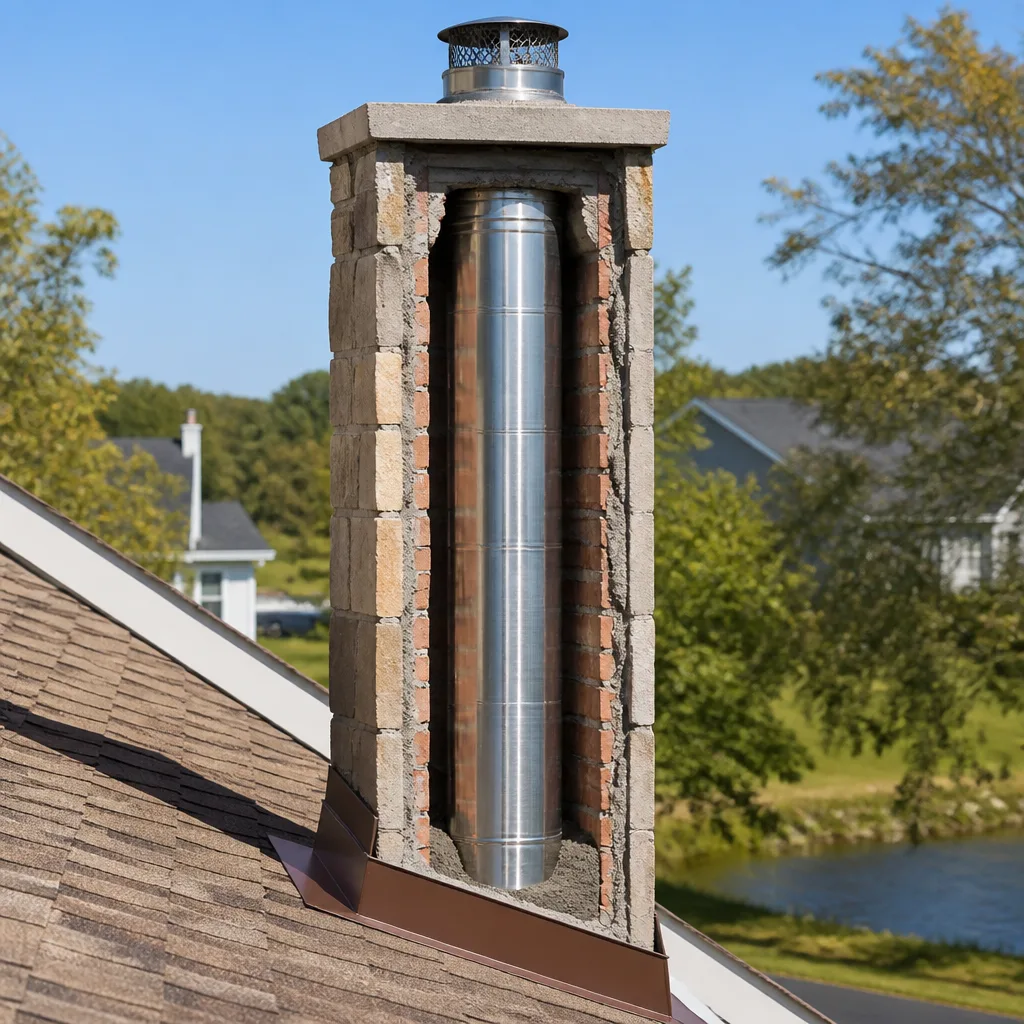
- The crown is your weather shield. A properly built crown slopes away from the flue and sheds water outward. A cracked or flat crown lets water pool against the flue tile. In Hempstead’s freeze-thaw cycles, that pooling water freezes and expands and turns a $400 crown repair into a $2,500 flue rebuild over three or four winters.
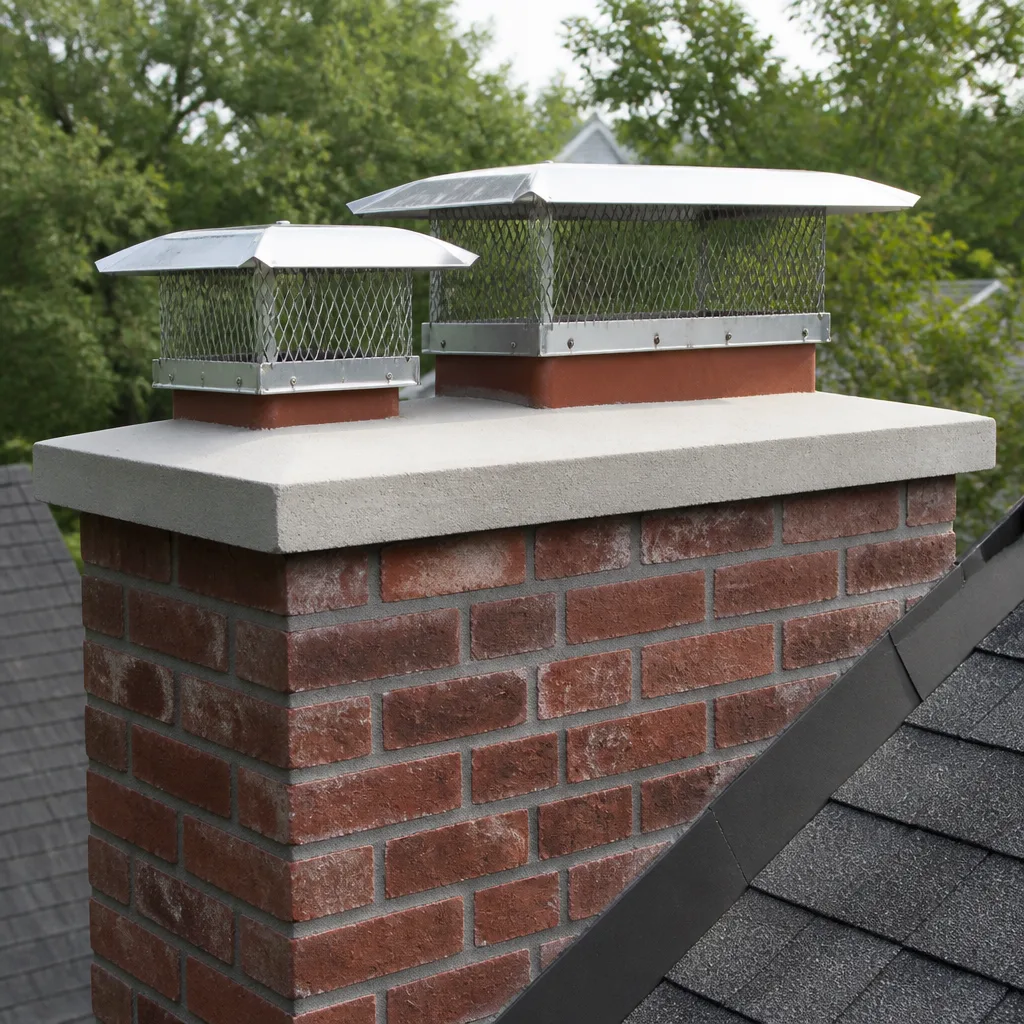
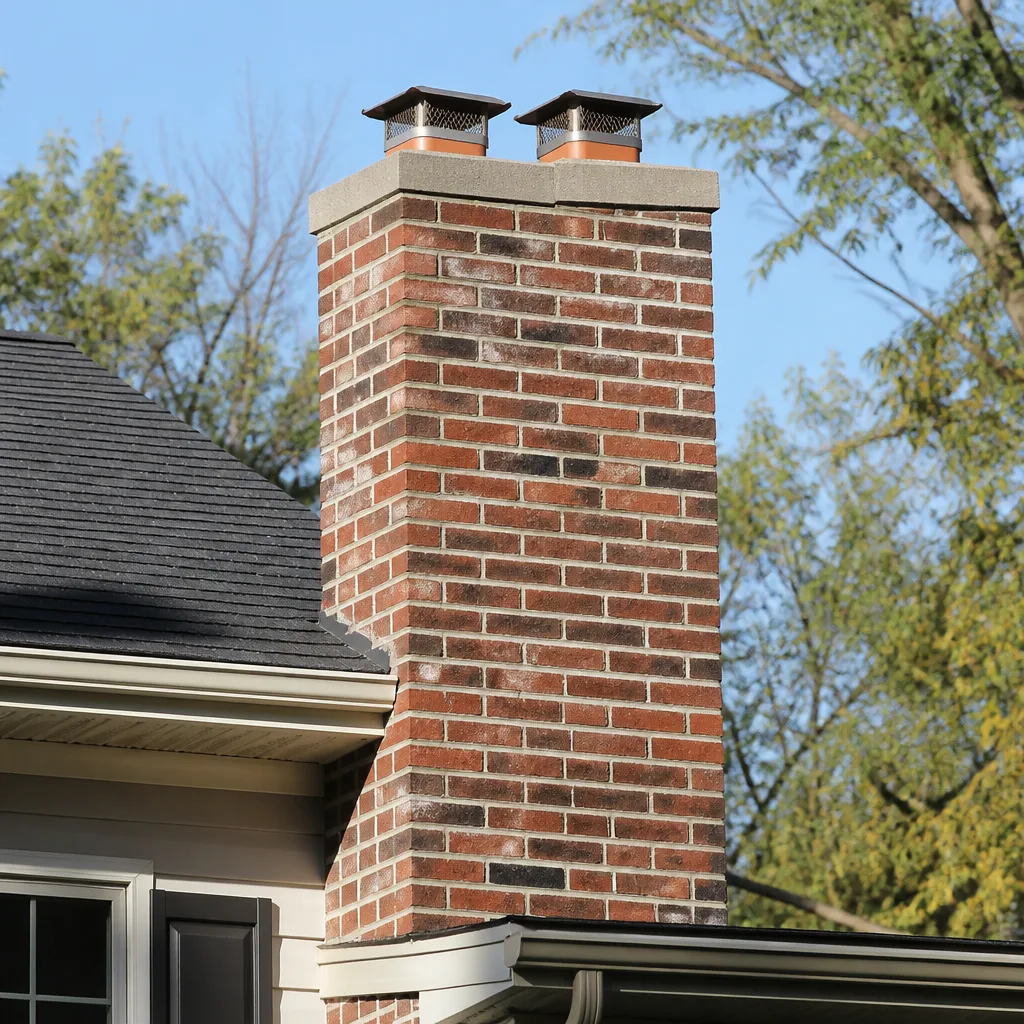
- The cap keeps rain and animals out, but also manages pressure. A good multi-flue cap, like those from Famco or Copperfield, keeps water out while allowing proper draft. A missing cap lets rain fall straight down the flue and also lets squirrels, raccoons, and birds build nests during the spring and summer. We have pulled entire nests of sticks, leaves, and feathers out of Hempstead chimneys in September, and every one of them was preventable with a proper cap.
- Wind exposure is real. Nor’easters that hit Hempstead with 40 to 60 mile-per-hour gusts put lateral pressure on the upper chimney. A chimney that has been slowly weakened by moisture is the one that loses bricks in a January storm. Ask anyone on your street who has found chimney bricks on their lawn or in their gutter after a blow. It happens more than most people realize.
We recommend checking the chimney from the ground with binoculars or a long camera lens in early November, before the worst weather, and again in early March. Look for missing caps, cracked crowns, spalling brick faces, and any obvious lean. If anything looks off, call before it becomes a chimney repair in Hempstead that requires scaffolding. The earlier you catch it, the smaller the job.
And one note on safety: inspecting from the roof is a job for a professional with the right tie-off equipment and a second person on the ground. Steep-pitch roofs common in Hempstead’s older housing stock are dangerous even in good weather. Do not get on a ladder in January to check your own chimney. A pair of binoculars from the driveway tells you most of what you need to know, and a phone call to a pro tells you the rest.
Spring Moisture Damage After a Wet Coastal Winter
By the time late March and early April roll around in Hempstead, the chimney has been hammered for four straight months. Rain, snow, sleet, freeze-thaw, salt wind, and nor’easter pressure have all had their turn. What you do in the first few weeks of spring determines whether small problems stay small or turn into five-figure rebuilds.
Here is a simple exterior inspection you can do from the ground, no ladder required:
- Look at the crown first. That is the concrete or stone slab at the very top of the chimney. Hairline cracks are normal and often not urgent. Gaps wide enough to fit a quarter, or areas where the surface is flaking, are signs the water has been getting in. Remember: in Hempstead, every freeze-thaw cycle widens those cracks. First-degree creosote is a brush job. Third-degree is a glaze. Catch it early, and the same applies to crowns.
- Scan the brick faces. Walk around the house and look at the chimney from all four sides if possible. Spalling brick, which means the face of the brick has popped off, indicates trapped moisture that froze. White chalky residue, called efflorescence, means water is moving through the masonry and leaving salt deposits behind. Efflorescence is a warning sign, not a cause for panic, but it tells you water is present where it should not be.
- Check the flashing where the chimney meets the roof. Lifted, cracked, or rusted flashing lets water run down the chimney chase and into the attic. This is one of the most common sources of mystery leaks in Hempstead homes, and it is often misdiagnosed as a roof problem.
- Look at the damper and firebox from inside. If the damper is rusted, sticky, or will not close fully, water has been finding its way down the flue. A little surface rust is normal. A damper that is flaking apart or frozen in place is not.
- Smell the firebox. This one is simple and often overlooked. A damp, musty smell in the fireplace during the spring means water is pooling somewhere it should not be, usually at the smoke shelf or the base of the flue. That smell will intensify when the weather warms up. Do not ignore it.
If you find any of these signs, do not rush to assume you need a rebuild. Many Hempstead chimneys just need a new cap, crown sealing, or a fireplace service appointment to address moisture at the source. The camera footage and a plain-English verdict come with every inspection we do, so you see exactly what we see before anyone recommends anything.
Why Gas Fireplaces Still Need Seasonal Attention in Hempstead
There is a persistent belief that gas fireplaces are maintenance-free because they do not produce creosote or soot. The first half of that sentence is true. The second half is where Hempstead homeowners get into trouble. A gas fireplace does not produce creosote, but it absolutely produces residue, and the venting and burner components need the same seasonal attention a wood-burning system does. The difference is what fails, not whether it fails.
Here is what we see annually in Hempstead gas fireplaces:
- Burner orifices clog. Natural gas burns clean, but the dust, pet hair, and ambient debris that floats through a Long Island house finds its way into the burner ports. The flames get lazy and yellow, which means incomplete combustion, which means carbon monoxide output goes up. If your gas flames used to be sharp and blue and now they are soft and orange, the burner needs a cleaning.
- Venting gets blocked. Gas fireplaces vent through a direct-vent pipe or a chimney liner, and both are susceptible to nesting animals, wind-driven debris, and corrosion. A partially blocked vent pushes combustion gases back into the house instead of outside. This is not a small problem.
- Logs and media deteriorate. Ceramic logs, glass media, and the panels behind them break down over time. Chipped logs and cracked panels change the flame pattern and can expose heat where it should not be. The manufacturers recommend annual inspection for a reason.
- Marine humidity corrodes connections. Salt-heavy air in Hempstead corrodes gas connections, valve fittings, and the thermocouple faster than it would in a dry climate. An annual check of the connections catches a small leak before it becomes a serious hazard.
- Remote controls and igniters fail. Batteries die, igniters wear out, and the little module that talks to the remote gives up. These are laughably simple fixes when caught early and deeply annoying on the first cold night of December.
The safest approach is an annual service on the same schedule as your wood-burning chimney sweep. The venting, the burner, the gas connections, and the ignition should all be checked by someone who knows what normal looks like. Wendell and his crew have been servicing gas systems in Hempstead for over 25 years, and the annual service is one of the cheapest insurance policies you will ever buy against carbon monoxide. Gas venting and burner issues are the kind of thing that shows up annually, burn or no burn.
One more note: do not try to diagnose or repair gas components yourself. Gas lines and combustion systems are genuinely dangerous, and the margin for error is not forgiving. A licensed professional with a gas detector and the right manometer is the only person who should be touching a gas valve. Call someone who will show up with the right tools and the right training.
Building a Two-Visit Schedule That Matches Long Island’s Climate
The old one-visit-per-year model fails Hempstead for one simple reason: the climate does not operate on a single annual cycle. It operates on two. There is the burning season, where the fire and the creosote are the variable, and there is the weather season, where the moisture and the freeze-thaw are the variable. Each needs its own moment of attention.
Here is the two-visit-per-year rhythm we recommend to every homeowner in Hempstead:
Visit One: Late Summer Sweep and Pre-Season Check (Mid-August to Late September)
- Full chimney sweeping to remove creosote, debris, and any nesting material that accumulated over the summer.
- Camera inspection of the flue, damper, and firebox to catch hairline cracks and early-stage wear before the burning season.
- Cap and crown check from the roof or ladder, with binoculars as a backup if the roof is not safe to access.
- Fireplace and damper function test to make sure everything opens, closes, and drafts correctly before the first fire.
- Repair scheduling for anything found, with time to spare before the cold weather sets in.
Visit Two: Spring Moisture and Off-Season Check (Late March to Mid-May)
- Exterior visual inspection from the ground: crown, brick faces, flashing, and cap condition after the winter’s freeze-thaw cycles.
- Interior moisture check of the damper, firebox, and smoke shelf for rust, dampness, or odor.
- Gas fireplace service if applicable: burner cleaning, vent check, connection testing, ignition check.
- Repair decisions made with full knowledge of what the winter did, before the summer humidity sets in and makes masonry work harder to schedule.
- Cap or crown sealing if moisture was found, done in warm, dry weather when materials cure properly.
This rhythm covers both operating cycles without over-scheduling. It is not more work. It is the same total volume of attention spread across the year in a pattern that matches what actually happens to a Hempstead chimney. Once a year, burn or no burn. But for a coastal chimney, the spring check earns its keep every time.
If you want to spread the cost, many Hempstead homeowners schedule the sweep in September and the cap or crown work in April, splitting the expense across two seasons. That is not a trick. It is just smart budgeting, and Top Hat Chimney is happy to structure the work that way. The price is the same either way, and the $40 off any repair over $200 applies any time of year, along with the 10% discount for seniors and veterans.
Common Mistakes to Avoid
- Waiting until October to schedule a sweep. By the time the first cold snap hits Hempstead, every reputable sweep in Nassau County is booked for weeks. You end up burning wood with a dirty flue or paying anyone who happens to have an open slot. Schedule in late August and skip the scramble.
- Assuming a gas fireplace needs no maintenance. Gas burners clog, vents get blocked, and connections corrode in Hempstead’s marine air. The absence of soot does not mean the absence of risk. Annual service is not optional.
- Ignoring a cracked chimney crown because “it still works.” The crown is not about the fire working. It is about water staying out. A cracked crown in Hempstead’s freeze-thaw climate gets worse every single January, and the repair cost compounds with each winter.
- Skipping the spring visual inspection. Most serious chimney damage announces itself in March and April, after the freeze-thaw has done its worst. A five-minute check from the ground catches problems when they are still small enough to fix with a caulk gun and a trowel.
- Using the fireplace with a rain cap missing. An uncapped flue in Hempstead is an open invitation to every rainstorm, every nor’easter, and every squirrel looking for a dry place to nest. You are not just losing efficiency. You are inviting water directly into the system.
- Believing a quote from a national chain without seeing the chimney. Phone quotes are guesses. The companies that quote one price on the phone and another at the door are counting on the fact that you have already let them into the house. Ask anyone on your street whether it has happened to them. Someone will nod.
- Putting off a liner repair because it is “expensive.” A liner with a crack is not going to seal itself. Every fire you burn makes it worse, and every rainstorm adds moisture to the damaged area. The liner is the flue’s protective wall, and when it fails, you are gambling with the structural safety of the chimney and the air quality in your home.
When to Call a Professional
Some chimney work is a weekend project. The seasonal care described here is not. You need a professional when you see cracked or spalling brick, when the crown has visible gaps, when you smell dampness or gas in the firebox, or when the damper is rusted and seized. You also need one when you have not had the flue swept in two or more years, or when you have never had a camera inspection done. Creosote buildup hides where you cannot see it, and a chimney fire is not a controlled event. It is a house fire waiting for an ignition source.
High-tension components, gas lines, and steep-roof access all carry real risk. Standing on a Hempstead roof in February is not the way to check your cap. Neither is running a brush down a flue from the top with no tie-off and no second person. These are jobs for a trained professional with the right equipment and the right insurance. Top Hat Chimney offers free estimates in Hempstead. Call (516) 963-1068 and someone will answer the phone, not a voicemail box. If you have a written estimate from another company, bring it. The second opinion is free, and Wendell will tell you plainly whether the work needs doing or whether you can wait.
Frequently Asked Questions
A standard chimney sweep in Hempstead typically runs between $189 and $329 for a single flue, depending on the level of buildup, the height of the chimney, and whether a camera inspection is included. For a detailed breakdown, see our Chimney Cleaning Cost Breakdown: The Hempstead Homeowner’s Reference for 2026. Top Hat Chimney gives you the exact price on the phone before we arrive, and the number on the invoice matches the quote. No add-ons, no surprises, no “while we are here, we also found” pricing games. Call (516) 963-1068 for an exact quote. Estimates are free.
Once a year, regardless of how often you burn, is the right rhythm for a wood-burning Hempstead chimney. If you burn more than three cords a year or burn green or unseasoned wood, sweep twice. Gas fireplaces need an annual service visit for the burner, venting, and connections even though they do not produce creosote. The annual habit catches small problems before they become expensive ones.
Only if the camera footage shows cracks, gaps, or deterioration that compromise the flue’s ability to contain heat and exhaust gases. You should never accept a liner recommendation without seeing the images yourself. Top Hat Chimney does a camera inspection on every job, and we show you the footage and walk you through what it means in plain English before anyone recommends work. If the liner can wait, we say it can wait. When it cannot, you will see why with your own eyes.
Creosote builds up in layers. First-degree creosote is a brush job. Third-degree is a glaze that is hardened, tar-like, and dangerously flammable. If enough third-degree creosote accumulates and the flue gets hot enough, it ignites, and a chimney fire burns at temperatures that can crack flue tiles, spread to the roof structure, and compromise the entire chimney. The fire itself might stay contained. The damage it does is what costs you tens of thousands. Skipping one sweep might be fine. Skipping three is not a gamble worth taking. Call (516) 963-1068 and get on the schedule before burning season.
Yes, and the difference is availability. Every year, the first cold snap sends a wave of calls to every chimney company in Nassau County. The good sweeps are booked by late September. By scheduling in August or early September, you get your pick of times, dry flue conditions for a clean sweep, and weeks to address any repairs before the first fire. Waiting until October means competing with everyone else who waited too.
Yes. A gas fireplace in Hempstead faces the same marine humidity, nesting animals, and wind-driven debris as a wood-burning system, plus the added concern of gas connections and burner ports. The annual service checks the venting, cleans the burner, tests the connections, and verifies the ignition. It is the cheapest way to catch a carbon monoxide risk before it becomes a problem. The fact that a gas fireplace does not make soot does not mean it needs no attention.
The Bottom Line
A Hempstead chimney is not a set-it-and-forget-it appliance. It absorbs Atlantic moisture, endures salt-heavy humidity, and fights through freeze-thaw cycles that would crack a lesser structure in a single winter. The right seasonal schedule is two visits a year: a late-summer sweep and pre-season check in August or September, and a spring moisture and exterior inspection in March or April. Gas fireplaces need the same annual rhythm, just with attention shifted from creosote to burners and venting. The camera footage and a plain-English verdict should come standard on every appointment. If you are ready to get on the schedule before the October rush, Top Hat Chimney serves Hempstead with upfront pricing, the 90-Day Done Right Promise on every job, and a live person on the phone day or night. Call (516) 963-1068 for a free estimate.
Written by Wendell Pike, Owner at Top Hat Chimney, serving Hempstead since 1999.